


Yield farming, also known as liquidity farming, is a cryptocurrency investment strategy that allows investors to “borrow” their crypto to other investors to generate more crypto.
In other words, it’s a way of earning interest on your cryptocurrency, much like interest is paid on money in a savings account.
Like investing money in a traditional bank, yield farming involves locking your cryptocurrency (in what is called a liquidity pool) for a period of time in order to generate returns (equivalent to the interest rate in traditional banking). In the cryptocurrency world, the process of investing your cryptocurrency into a liquidity pool is known as staking.
How does yield farming work?
The first step in yield farming is for an investor (aka a liquidity provider) to stake some of their existing coins by depositing them into a loan pool or DeFi protocol (DeFi stands for decentralized finance). An example of such a protocol is Uniswap – a decentralized financial protocol used to exchange cryptocurrencies.
From there, other investors can then borrow coins from the pool. Usually the coins are used for speculation or arbitrage. Speculation means that investors try to profit from short-term price changes of a specific cryptocurrency. Arbitrage trading is buying a cryptocurrency on one exchange (market) and selling it at a higher price on another.
Yield farming is a common way to get a new decentralized blockchain off the ground. By distributing tokens with liquidity incentives, liquidity providers are encouraged to “farm” the new token by providing liquidity to the protocol.
Benefits of yield farming
For speculators, the benefits of yield farming can be significant, as the process provides easy access to crypto just like a bank loan provides quick access to funds. Savvy traders can earn returns on their loans, allowing them to benefit significantly from crypto market fluctuations, with the income remaining even after the loan fees have been paid.
The advantages are also obvious for liquidity providers or lenders. Investors locking their coins in a yield farming protocol can earn both interest (passive income) and more cryptocurrency coins – often the true value of the business. As the price of these additional coins increases, so does the investor’s returns.
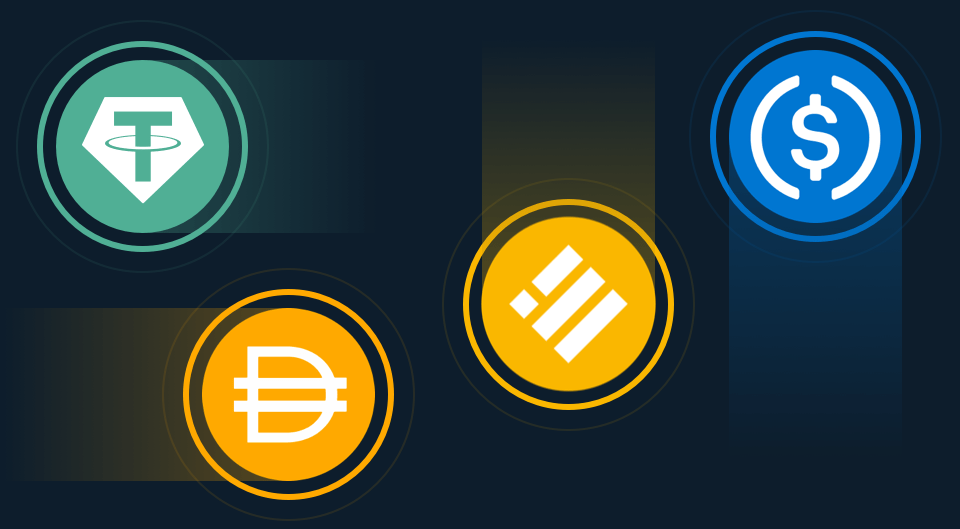
What coins are you talking about?
Most cryptocurrencies can be used in yield farming. However, the backed altcoins are typically Ethereum-based or USD-pegged stablecoins — although this is not a general requirement. Some of the most common stablecoins used in DeFi yield farming are DAI, USDT, USDC, and BUSD.
The reason why stablecoins are often used in yield farming is that with smart farming, these coins can become high-yielding currencies that claim to have no risk of devaluation against the US dollar, thus preserving their real value.
There are also newer tokens that advanced farmers are looking to capitalize on new strategies and yield opportunities. These include YFI (Yearn Finance, an open-source decentralized finance protocol built on the Ethereum blockchain) and SNX, the Synthetix platform’s native token, a permissionless derivatives protocol. SNX allows users to take advantage of any of the protocol’s incentive-based liquidity delivery programs, giving participants multiple opportunities to earn an attractive return with exposure to a variety of different assets.

What is Total Value Locked (TVL)?
For investors looking to learn more about the general state of the DeFi yield farming scene, Total Value Locked (TVL) can be a helpful metric. TVL measures how much crypto is locked in DeFi lending and other types of money marketplaces.
Essentially, TVL measures total liquidity in liquidity pools. Because of this, it’s a useful index for measuring the overall health of the DeFi and yield farming markets. It’s also a good way to compare the market share of different DeFi protocols.
By checking the TVL metrics, you can get an instant feel for which platforms have the highest amount of Ethereum or other crypto assets locked in DeFi. It is worth noting that you can measure TVL in ETH, USD or BTC. Each gives you a different perspective on the state of the DeFi money markets.
Our conclusion on yield farming
Yield farming can be a very effective way to generate more returns from cryptocurrency holdings if done properly and skillfully. However, most yield farming strategies are extremely complicated, so caution is advised. To explore more options in cryptocurrency trading and investing, Kinesis offers a wide range of fiat and cryptocurrency pairs available on the Kinesis Exchange.
Learn Crypto Trading, Yield Farms, Income strategies and more at CrytoAnswers
https://nov.link/cryptoanswers
Comments are closed.