


Last update:
February 21, 2024 10:55 EST | 6 min read
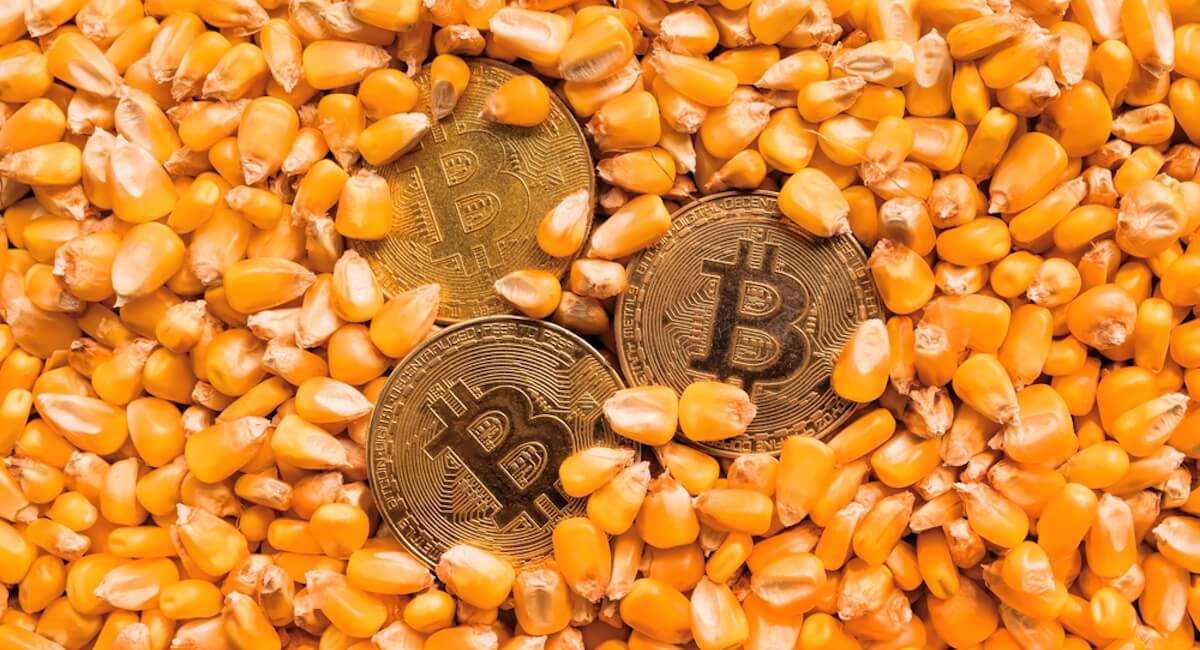
Yield farming is the practice of lending or staking your crypto assets in exchange for interest-based rewards on a DeFi (Decentralized Finance) platform. Similar to an individual savings account (ISA), yield farming involves borrowing dormant cryptocurrencies via DeFi protocols, with either a fixed or variable rate of return.
The borrowed funds will be used to provide liquidity to the decentralized applications (dApp), thereby helping to facilitate transactions on these platforms. Currently, DeFi yield farming can only be done on the Ethereum network using ERC-20 tokens.
What is Yield Farming in Crypto?
Let’s break this down in more detail: What is yield farming? Yield farming is the crypto alternative to owning a FIAT savings account. It allows cryptocurrency holders to lend their otherwise dormant coins or tokens to dApps such as decentralized exchanges (DEXs), lending or trading pools to provide liquidity. In return, lenders become liquidity providers (LPs) and receive a return in return.
Returns or rewards typically come in the form of an annual percentage yield (APY) based on the interest rate offered by the borrower. Of course, this means that the more you deposit into a liquidity pool, the more you will receive as a reward. Many consider yield farming crypto to be much more lucrative than the interest you earn for maintaining a savings account at a bank.
This is due to the high risk and volatility of cryptocurrencies, which allows yield farmers to earn higher APYs. During the last bull market in 2020, yield farming gained popularity in this space due to the excess liquidity in the market. However, this has dried up in recent years as crypto prices have fallen and central banks have raised interest rates to historic highs. Therefore, investors have slowly returned to Centralized Finance (CeFi) for a less volatile option to earn interest.

There has been so much negative press in the community about yield farming, and Ethereum founder Vitalin Buterin responded to the above tweet by saying, “I personally avoid the yield farming space completely until it transforms into something more sustainable.” But I do “I’m not a particularly smart person when it comes to DeFi, so…”
How does DeFi yield farming work?
How exactly does yield farming work? Unlike centralized exchanges (CEX) that have a pool of liquidity, DEX and other dApps require liquidity provision from the community to ensure that there are always buyers and sellers. This is why yield farming was created to reward those who lend their cryptocurrencies to these platforms.
Here is a step-by-step guide on how this process currently works:
- To become a liquidity provider, you first need to find a crypto wallet or DEX platform like Aave, which is a leading open-source protocol.
- Once you are on the platform, you can select the “Liquidity” section for liquidity providers and view the lending options.
- The next step is to select which assets or tokens you would like to deposit. Tokens that require liquidity come in pairs, so you need to deposit both, for example BNB/ETH.
- After depositing both into the pool, you will receive a Liquidity Provider (LP) token, which will be entered into the “farm” and issue regular rewards at APY.
Advantages and Disadvantages of Yield Farming
Similar to any form of reward-based systems, there are several advantages and disadvantages to yield farming. As already mentioned, although the returns achieved can be higher than the interest on traditional FIAT savings accounts, the associated risks are also higher due to the volatility of cryptocurrencies. Let's examine these in more detail.
Benefits of Yield Farming
- Additional income – There are good ways to earn passive income through yield farming, especially depending on the size of the investment. It's a great way to put your otherwise dormant coins and tokens to work.
- High percentage yields – Unlike trading interest-based bank accounts or even staking cryptocurrencies, annual percentage yield (APY) with yield farming on projects like Bitcoin Minetrix offers returns of up to 195%.
- Helps power the DeFi ecosystem – Beyond the individual benefit to the lender, yield farming helps provide liquidity for DeFi exchanges and enables sellers to find buyers and vice versa. This is crucial to the overall operations of such dApp providers and users.
The risks and disadvantages
- Risks of smart contracts – DeFi protocols and yield farming are carried out using smart contracts that govern the terms of transactions. These contracts may be vulnerable to hacker attacks that could compromise the cryptocurrency provided by the liquidity provider or lender.
- Market volatility – Since cryptocurrencies are a very volatile market, the value of the cryptocurrencies lent can fluctuate drastically at any time, potentially causing the lender to lose money. To protect yourself from this, using stablecoins such as USDT or TUSD could be beneficial.
- Fraudulent projects – As with any promising financial instrument, yield farming carries the risk that fraudsters will try to dupe investors. Some projects may market themselves using APY and promise high interest rates without any underlying offering or ecosystem behind them.
What does APY mean in crypto farming?
As briefly mentioned above, the APY is often used to entice would-be farmers to lend out their cryptocurrencies with the promise of high returns. But what exactly is the APY? Known as annual percentage yield, APY is the interest rate or compensation a lender receives for providing liquidity to a dApp.
This APY is tied to the smart contract, with liquidity providers receiving real-time income based on the interest rate at which they have agreed to lend. Since the APR depends on the value of the cryptocurrency lent to the borrower, some experienced traders use a strategy where they exchange the tokens for tokens that may increase in value, thereby generating higher returns.
Such a strategy requires a high level of expertise and may not be suitable for beginners as it could result in a significant loss of crypto.
Is yield farming worth it?
Similar to staking, yield farming can provide participants with good, consistent, and passive income from crypto that would otherwise be dormant. The benefits to the ecosystem are also great, with lenders effectively powering the broader DeFi network as their tokens are used to provide liquidity to both buyers and sellers.
This is crucial for decentralized applications and those who use them, as it continues to uphold the ethos in which crypto was founded. However, there is also a significant risk of loss in yield farming that must be taken into account.
The potential for a high reward can come at a significant cost as market volatility can cause you to lose your crypto tokens. Additionally, with several bad actors in the industry, it is important to exercise due diligence when deciding which decentralized app or DEX to use for yield farming.
FAQs
What is Yield Farming in Crypto?
Yield farming is when a holder of a crypto token or coin lends it to a decentralized application or exchange and receives high-interest bonuses in return.
How much can you earn with yield farming?
This depends on the annual percentage return offered. Bitcoin Minetrix currently offers an APR of more than 195%.
How to Find Crypto Yield Farms?
You can find them by researching on the internet. Alternatively, we have done the hard work for you. Here is a list of the best crypto platforms for yield farming in 2024.
References
- Yield Farmers Offered Yields of 70% (Bloomberg)
- Yield farming app secures $12 million in deposits in two weeks (CoinTelegraph)
- 25-year-old becomes millionaire through yield farming (CNBC)
- DeFi deposits reach all-time highs on yield farming platforms (DeCrypt)
- Annual yields of over 100% for cash farmers (Forbes)
About the author

Eliman Dambell was a news writer and editor at Bitcoin.com, FXStreet and Investing.com. He comments on various markets including crypto, stocks and FX.
Learn Crypto Trading, Yield Farms, Income strategies and more at CrytoAnswers
https://nov.link/cryptoanswers
Comments are closed.