


The central theses
- Staking involves locking cryptocurrencies on a PoS blockchain to secure the network and earn rewards, while yield farming involves lending cryptocurrency assets to DeFi protocols to generate rewards.
- Staking is simpler and less risky and offers more predictable returns, while yield farming involves more complexity, dynamic interest rates and more market fluctuations.
- Compared to yield farming, staking carries a lower risk of losing assets, but yield farming offers the potential for higher profits. Before choosing a strategy, it is important to research and understand your preferences.
Cryptocurrency staking and yield farming are two popular ways for crypto investors to earn passive income – generating income without actively trading. However, these two strategies work differently and have different mechanisms, benefits and risks.
The key to deciding on the best strategy is to understand what stake and yield farming are, how they work, and how they differ.
What is Cryptocurrency Staking?
Cryptocurrency staking involves locking cryptocurrencies on a Proof of Stake (PoS) blockchain in a specific cryptocurrency wallet to participate in the protocol’s consensus mechanism. The basis for locking crypto assets is to ensure that you are acting in good faith. Since you can lose your assets if you violate the protocol’s rules, you are more likely to only verify and add legitimate transactions and data to the blockchain.
While staking is primarily a way to secure a blockchain network and verify its transactions, investors who place stakes earn rewards. For example, you can stake or lock your ETH on the Ethereum blockchain to participate in the PoS consensus process and earn ETH rewards.
How does cryptocurrency staking work?

Unlike Proof of Work (PoW) blockchains, which require miners and nodes, PoS blockchains require validators to verify transactions and secure the network without a central authority.
The more crypto you stake, the higher your chance of being selected for validation and adding new blocks to the blockchain. As a validator, you receive a certain percentage of fees for each transaction you validate. Depending on how you stake, you can also earn other rewards including newly minted coins, interest, and voting rights.
Here’s how you can stake your tokens:
- You can stake the minimum required or more to maintain and operate hardware or software that stores data, processes transactions, and adds new blocks to the blockchain. This is where you get the most rewards, but you also do the most work since validator nodes require 100% uptime.
- Another way to stake is to create validator credentials, deposit the required or more crypto tokens, and delegate the validation process to a service provider that operates a validator node.
- Suppose you don’t have the minimum stake required to run a validator node or don’t want to run a validator node. In this case, you can use the staking services offered by centralized and decentralized exchanges or join a staking pool.
You may have to pay a fee for delegated staking, joining a staking pool, or using centralized exchanges. Still, you get rewards without actively trading.
Other features of cryptocurrency staking include the following:
- There is usually a minimum amount of crypto you must stake.
- There may be a lock-up period during which your staked tokens cannot be withdrawn or transferred. However, multiple staking pools and centralized exchanges offer more flexible staking options.
- There may be a reduction mechanism to enforce penalties for malicious behavior.
Examples of proof-of-stake blockchains
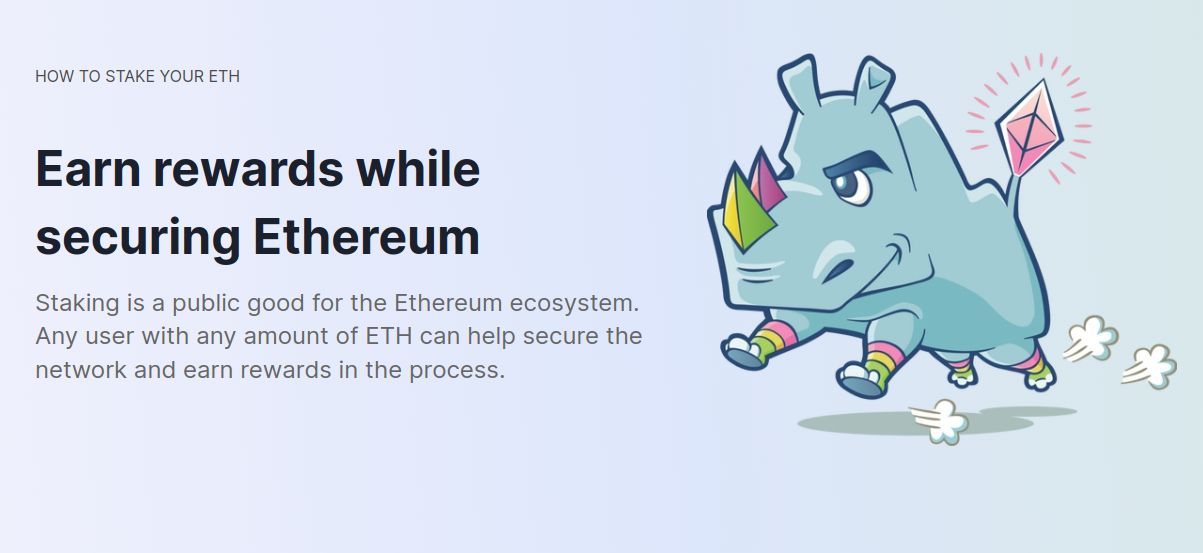
Staking is the foundation of PoS blockchains, and here are two key examples.
- ether: Since Ethereum has transitioned from a PoW to a PoS consensus mechanism, users are now required to stake ETH. To run a validator node you need to deposit 32 ETH, but you can stake much smaller amounts of ETH in stake pools and cryptocurrency exchanges. Beaconcha records that the estimated average annual financial return per validator over 24 hours in 2022 was up to 24%.
- Solana: This PoS blockchain protocol allows you to run a validator, delegate your staking to validator nodes, and join stake pools without requiring a minimum amount of SOL. Exchanges including Kraken and Soladex allow you to stake SOL without running a validation node.
Staking is often viewed as a way to earn passive income, but the results can be mixed.
Yield farming explained
Yield farming involves lending crypto assets to decentralized finance (DeFi) protocols to generate rewards. The goal is to maximize your cryptocurrency holdings by providing liquidity or depositing the tokens into DeFi protocols. These tokens are used to facilitate crypto swaps or lent to borrowers who pay interest.
How yield farming works
Instead of letting your crypto assets sit idle, you can deposit them on a decentralized exchange (DEX) as a liquidity provider (LP). You deposit your crypto assets into a liquidity pool to earn a percentage of the trading fees generated by the DEX and sometimes the DEX’s governance token.
Alternatively, you can become a lender via a DeFi protocol. When people borrow from you, you get a portion of the interest they pay – the yield – and sometimes the DEX’s governance token.
If you decide to add funds to a liquidity pool, you will need to connect your cryptocurrency wallet and initiate a smart contract to hold the funds for exchange and lending and to monitor your rewards. This smart contract issues you a token that you can use to collect your rewards and redeem your crypto assets.
After you “harvest” rewards from providing liquidity or lending out your assets, you can reinvest them into DeFi protocols to earn more returns – this is called compounding. Your income is measured by Annual Percentage Yield (APR) or Annual Percentage Yield (APY).
There are more complicated processes that can help you achieve higher yields, such as: B. Leverage and DeFi looping, but these tend to come with more risks. Still, as a yield farmer, you need to move your assets, change platforms, change strategies and swap assets as the rewards constantly fluctuate depending on the trading volume of the liquidity pool.
Examples of yield farming
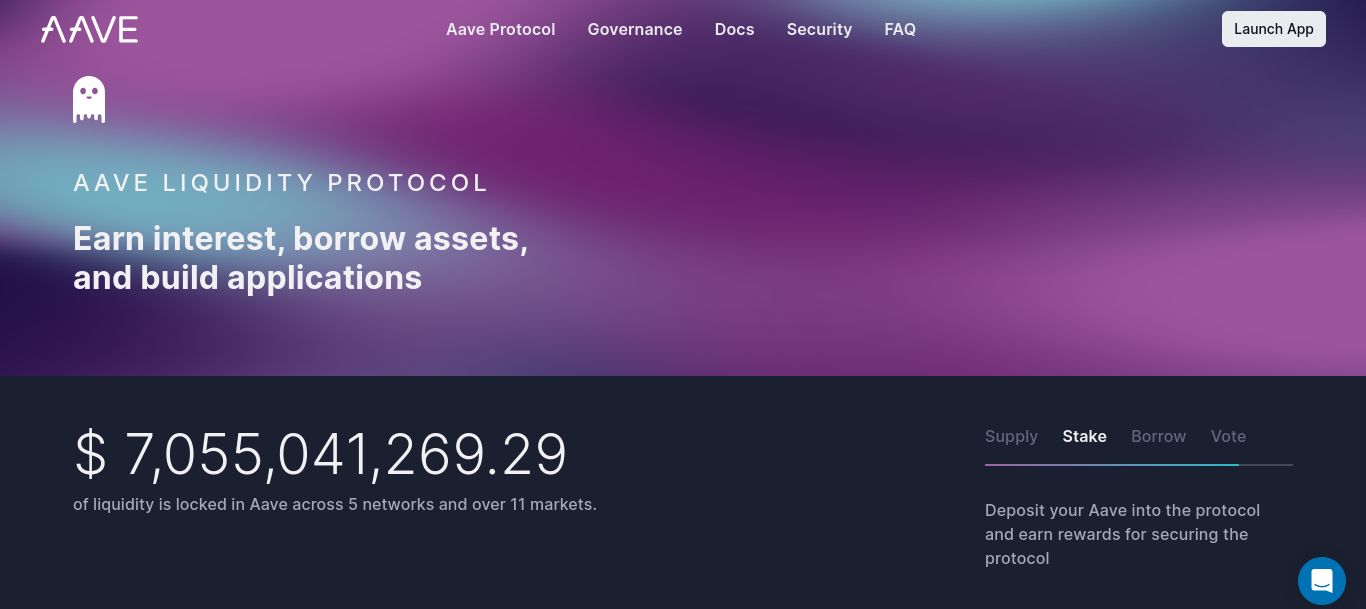
Only decentralized exchanges offer yield farming. Here are two popular yield farming platforms:
- Connection: This decentralized exchange allows lending and borrowing various crypto assets. As a lender with Compound, you will earn interest depending on the coin you deposit (lesser-known coins usually have higher interest rates). Compound also issues COMP, its governance token, to investors who provide liquidity or their crypto assets for crypto loans.
- Spirit: This DEX allows you to deposit your crypto assets for crypto loans and earn interest. You can also provide liquidity and earn rewards in addition to the governance token of the market in which you provide liquidity.
Apart from these two, several DEXs allow you to provide liquidity or lend out your crypto assets.
Stake vs Yield Farming: Which is the Best Option?
You can earn passive income through crypto staking or yield farming. However, each strategy has advantages and disadvantages that you should consider.
These advantages and disadvantages can be addressed in three crucial areas.
1. Complexity
While solo staking – running a validator node – is complex and intensive, few investors take this route. The other staking methods are generally simpler than yield farming, especially because you only need to stake one token on a blockchain protocol.
Yield farming typically requires more tokens, protocols, transactions, and strategies, making it more difficult and expensive to implement.
2. Rewards

Because staking is more predictable than yield farming, you will likely earn less than farming your assets. Staking earning rates are based on the parameters of the underlying PoS network.
Meanwhile, yield farming features more dynamic interest rates and incentives that depend on the supply and demand of the underlying protocols. A liquidity pool with massive demand and supply can lead to higher interest rates and incentives.
3. Risks

The chances of you losing your crypto assets are lower with staking than with yield farming.
You will suffer a loss if there is a downturn while your assets are staked, and if they are locked you will be unable to do anything. Penalties may apply if your underlying validator node misbehaves or fails to maintain 100% uptime. If you use staking pools or crypto exchanges for staking, there is no guarantee that you will receive staking rewards.
Meanwhile, yield farming exposes you to greater market fluctuations across multiple assets. You may also encounter smart contract vulnerabilities or errors and lose your deposited tokens and earned rewards. Additionally, earned trading fees are sometimes wiped out by temporary losses when there are imbalances in the liquidity pool and the price of a token declines.
Ultimately, the choice between stake and yield farming depends on your preferences, risk tolerance, and available resources. If you prefer a simpler, more stable and less risky strategy, you should use your assets better. If you are more active, prefer higher profits and can handle more risks and complexity, you can choose yield farming.
Alternatively, you can combine these two strategies to diversify your portfolio and generate as passive income as possible.
Always do your research before staking or farming your cryptocurrency
While staking and yield farming involve providing liquidity to blockchain protocols to earn rewards, they have different purposes, mechanisms, risks and rewards. Understanding the two strategies will help you choose the best strategy for your needs.
You can also use both strategies. Remember to only invest what you can afford to lose!
Learn Crypto Trading, Yield Farms, Income strategies and more at CrytoAnswers
https://nov.link/cryptoanswers
Comments are closed.