


In this introductory yield farming guide, we look at how yield farming works and how DeFi protocols compensate users for providing value by engaging in different types of economic activities. These efforts may include lending funds to merchants, providing liquidity to token holders to support network operations by validating transactions, or promoting the protocol through marketing activities.
We will also look at the level of risk involved and how it can be mitigated, as well as the different strategies that can be employed to ensure optimal return on investment.
What is yield farming?
Yield farming is a way to earn interest on cryptocurrencies by implementing various passive investment strategies. Participants can earn additional rewards by taking on the risk of a position and providing specific benefits to the protocol.
Unlike many other types of investments where investors keep their fingers crossed and hope for a price increase over time, the yield farmer generally benefits from a pre-determined schedule of interest payments. With a regular buy and hold position, you can simply buy a stock, but the profits are not clearly defined. However, if the investor were to increase returns by lending their shares to a short seller for a fixed fee, that would be yield farming.
Now let’s take a detailed look at the top five ways yield farmers can make significant profits.
Yield Farming Activity 1: Lending
In mid-2020, decentralized finance (DeFi) protocols exploded, allowing individual traders to participate in a range of lending activities previously only available to large centralized institutions.
The trader can make a profit by lending cryptocurrency positions. They simply invest their capital in funding pools that borrowers pledge as collateral to borrow the funds. The protocols that offer this type of lending accept deposits from lenders into an underlying asset that exists outside of the protocol’s token economy. In exchange for their loan, the lender receives a native token that they can later use to redeem their crypto position and the interest they accrue on the funds lent to the protocol.
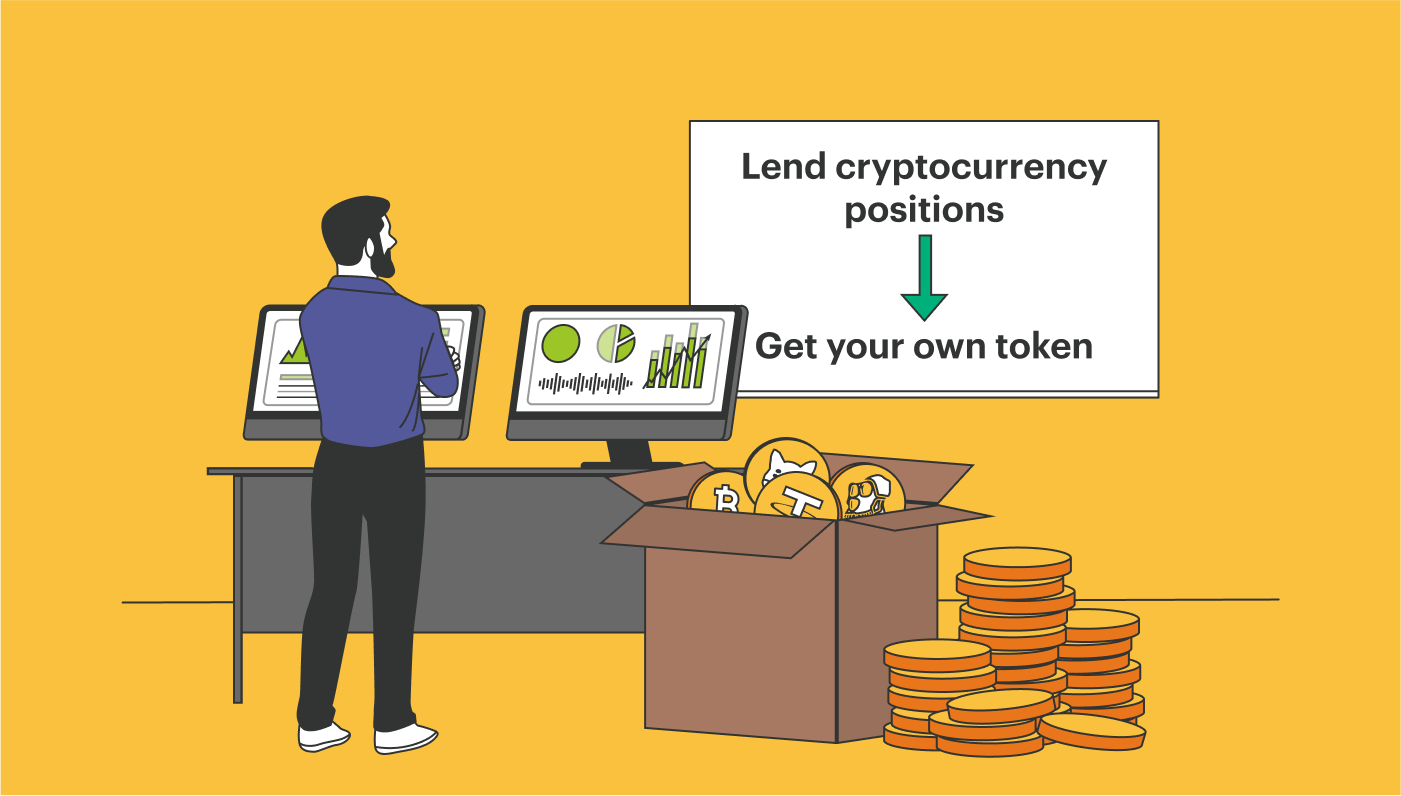
Basically, a trader with capital constraints can borrow from a pool funded by a yield farmer and pay interest, part of which benefits the protocol while the rest goes to compensate the lender.
It’s worth taking a moment to talk about overcollateralized lending, where lenders are exposed to the risk that the collateral will lose value faster than it can be liquidated. In addition, there is always a risk of default by the borrower unless the loan is fully secured. These risks can be mitigated by using a protocol that verifies borrowers by examining real off-chain data.
Yield Farming Activity 2: Provision of Liquidity
Yield farmers can also make profits by providing liquidity, another way for individuals to generate income previously only available to professional market makers and centralized exchanges.
Yield farmers deposit crypto positions with Automated Market Makers (AMMs). These are pools that act as liquidity hubs, allowing trading between asset pairs. The trader who wants to borrow money has to pay spreads and other fees to exchange tokens for the pools. Meanwhile, the liquidity provider receives these spreads and fees as a direct reward for facilitating two-way liquidity and assuming the risk of losses when the exchange rate changes.
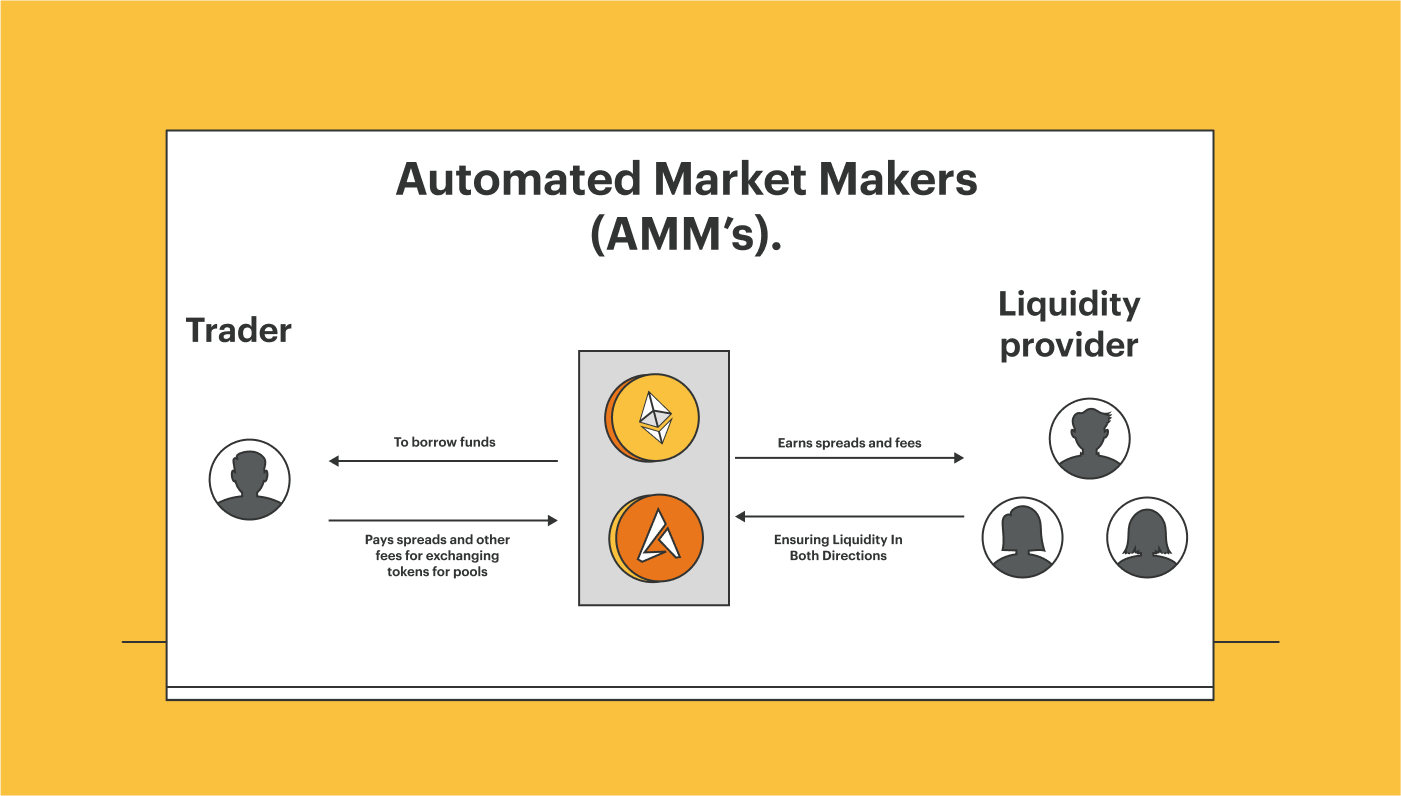
Another reward liquidity providers receive are native tokens from the AMM. In addition to their market value, the tokens offer reward programs and protocol voting rights. The more tokens owned, the higher the fees from providing liquidity.
Yield Farming Activity 3: Validation of Network Transactions
Yield farmers can also earn rewards for network operations. Validators, also known as node operators, process transactions and receive the native token as a reward. There are two types of networks. Proof-of-Work (PoW) applications Competitive validation to verify transactions and add new blocks to the blockchainwhile Proof-of-Stake (PoS) requires validators to post collateral that can be confiscated in the event of underperformance, with the yield builder bearing the risk.
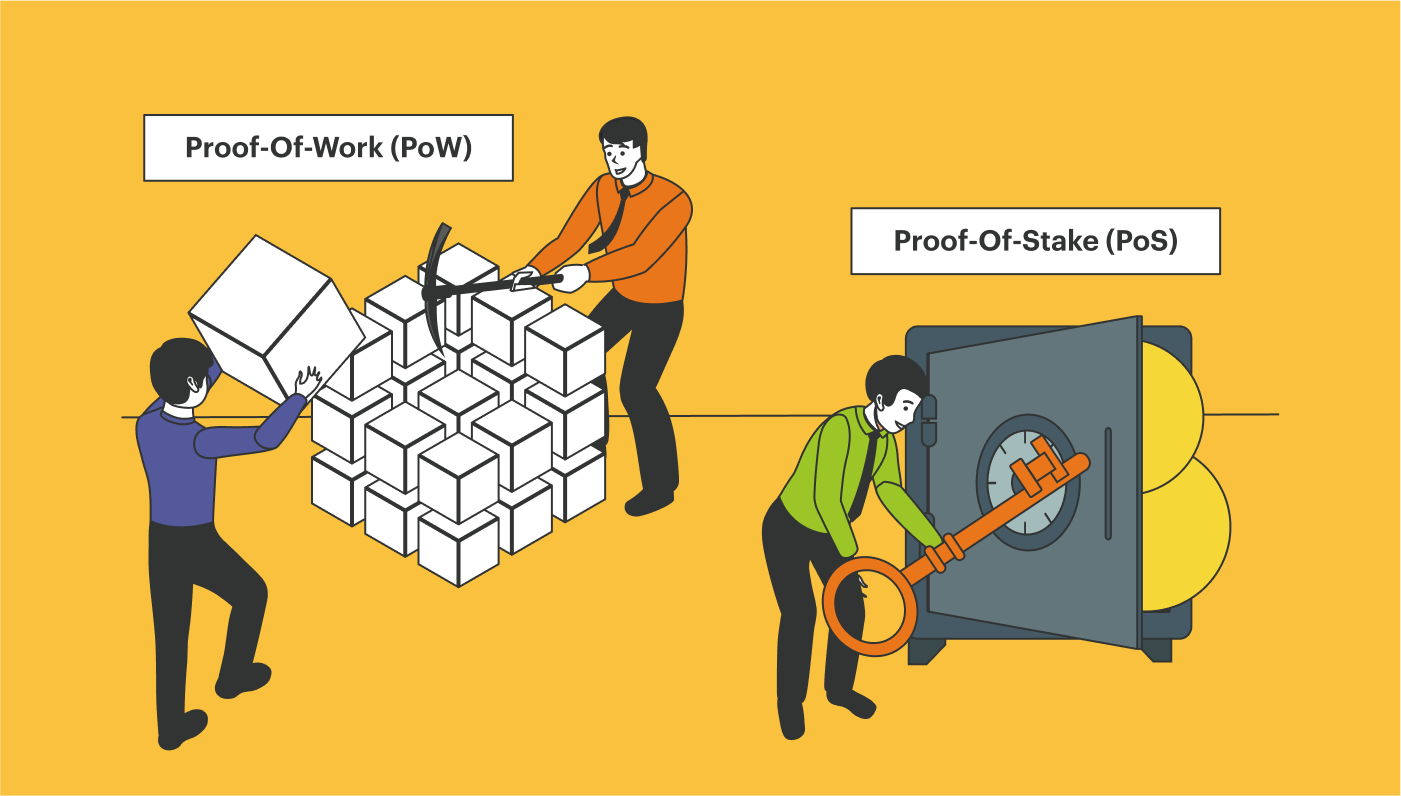
A yield farmer can allocate tokens to powerful validators in exchange for a share of the profits. The network then runs more efficiently and securely for the benefit of all participants. Participants pay validators fees for using the network, and validators return a portion of that reward to yield farmers.
Yield Farming Activity 4: Reward-Based Marketing
Another way for yield farmers to generate revenue is through marketing strategies that encourage participation by offering huge stake returns.
The most popular protocols have the highest Total Value Locked (TVL). This means they have the largest number of assets that help the protocol gain visibility, notoriety, and public trust, increasing its value as usage grows.
To increase TVL, many protocols will encourage yield farmers to lock tokens with the incentive of earning higher yields in the native token for longer funds lock. Locks limit supply, reduce selling pressure and encourage yield farmers to keep their funds in the protocol. The risk of generating revenue from token distribution is that when funds are locked and the market shifts, the owner of the locked funds may not be able to respond to changing market conditions.
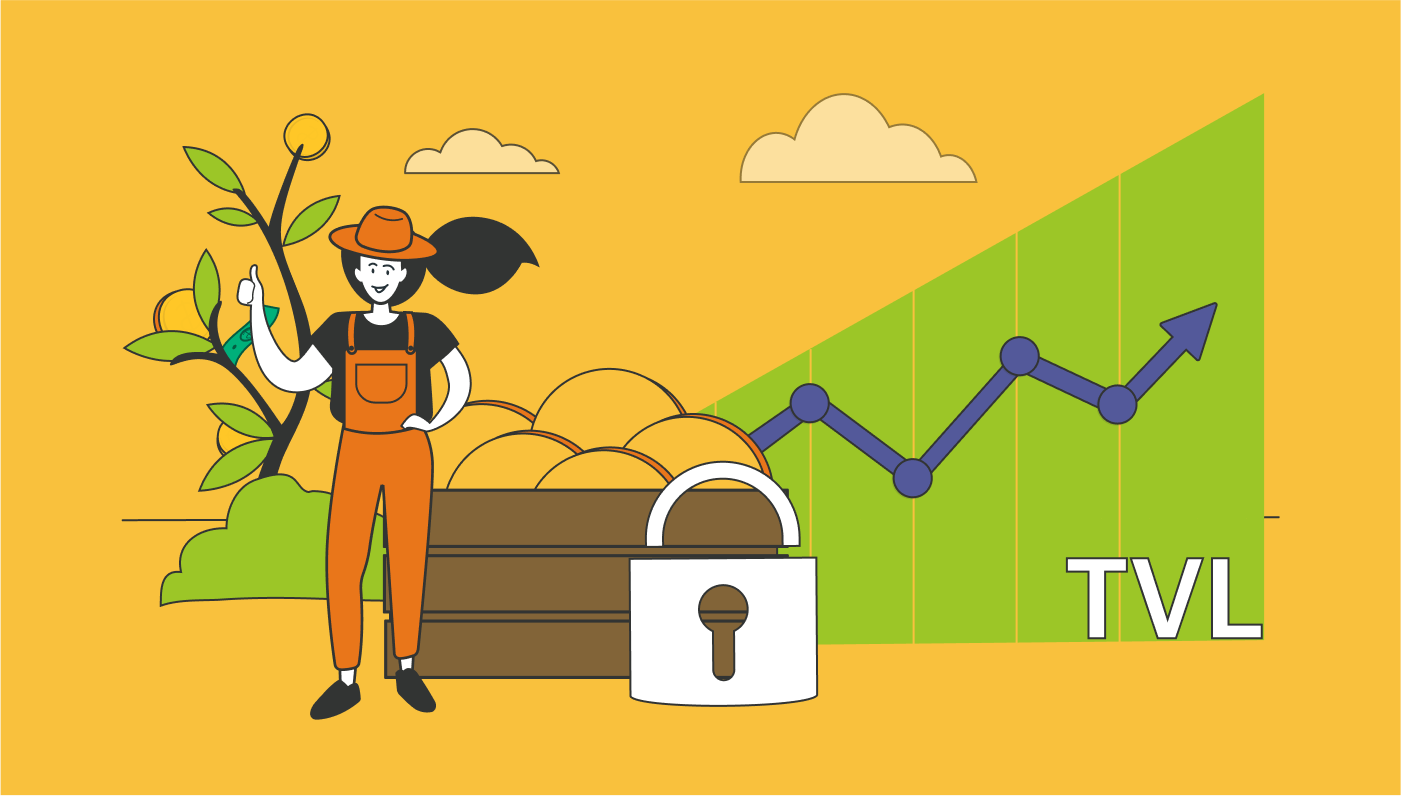
It is becoming increasingly common for protocols to spend heavily up front to increase asset allocation with the aim of recouping the investment over time. However, this also carries a certain risk. If only yield farmers are attracted to the protocol because of the incentives, there will not be enough non-farmers to fund the reward, leading to short-term peaks in mercenary liquidity followed by a long-term collapse.
Yield Farming Activity 5: Log Management and Governance
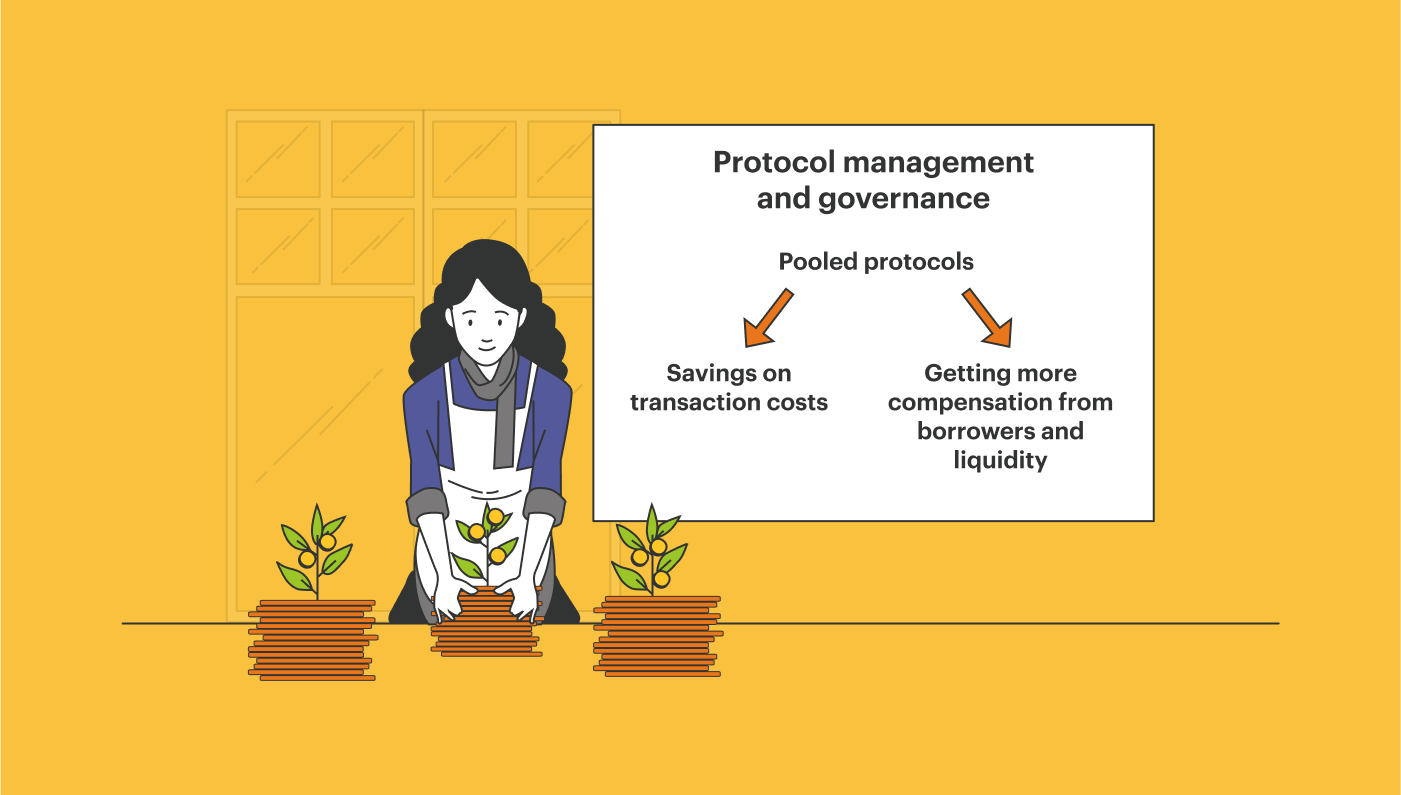
While code does much of the work on the blockchain, protocols still need to be updated, security issues addressed, and capital allocated. Many of these tasks are performed remotely by protocol stakeholders through voting, writing, or reviewing code. However, pooled management systems can be used to route liquidity across liquidity pools and to distribute digital assets across different credit and liquidity protocols. They allow yield farmers to create value through more efficient management and reallocate liquidity to specific markets more quickly and cheaply.
Yield farmers utilizing pooled protocols can save on transaction costs while receiving greater rewards from borrowers and liquidity users as the pooled management system automatically identifies and directs resources with the highest value.
Yield farming is well on its way to democratizing the financial sector and adding value even to those with small amounts of investment and lacking in-depth knowledge of the crypto markets.
Here, at ArbiSmart, we will launch our own decentralized protocol in the fourth quarter of this year. The protocol offers lending and liquidity provisioning opportunities for unmatched rewards of up to 190,000% APY plus 0.3% in fees on each trade. The new service will bring a new dimension and allow yield farmers to increase their profits with unprecedented gamification features.
The new DeFi protocol is part of a broader development push that began in the summer with the launch of interest-earning wallet ArbiSmart and will continue through the end of the year with the launch of a mobile app, an NFT marketplace, a collection of unique digital artworks by ArbiSmart, a Cryptocurrency exchange and a gaming metaverse.
All of these interconnected additions to the ArbiSmart ecosystem require the use of our native token, RBIS, which increases demand and weighs on supply, causing the token price to spike. So, in addition to gains from yield farming, trading, savings plans, NFT gaming, and crypto arbitrage, RBIS owners will also see large capital gains. As a matter of fact, Analysts forecast an increase to more than 35 times its current value by the end of 2022.
Take a closer look ArbiSmart (RBIS) or learn more about yield farming and a wide range of other crypto strategies and investment opportunities by checking out the ArbiSmart blog.

Learn Crypto Trading, Yield Farms, Income strategies and more at CrytoAnswers
https://nov.link/cryptoanswers
Comments are closed.