


Source: Adobe/Inkdrop
Olga Ortega, the co-founder and CPO of real-time DeFi Explorer AnalytEx from HashEx.
_______
Currently, there are many decentralized protocols and their use cases, and not everyone is familiar with DeFi terminology to start working with protocols right away. It requires a certain level of knowledge – that’s why today we’re going to start figuring out what a liquidity pool or farm is.
What is a liquidity pool?
A trading pair of tokens with locked funds from liquidity providers is called a liquidity pool. Liquidity pools are the foundation of DeFi. By placing two tokens in a liquidity pool, investors create an LP token and receive revenue from all swaps made between these two tokens in a protocol. Let’s consider for example SushiSwap.
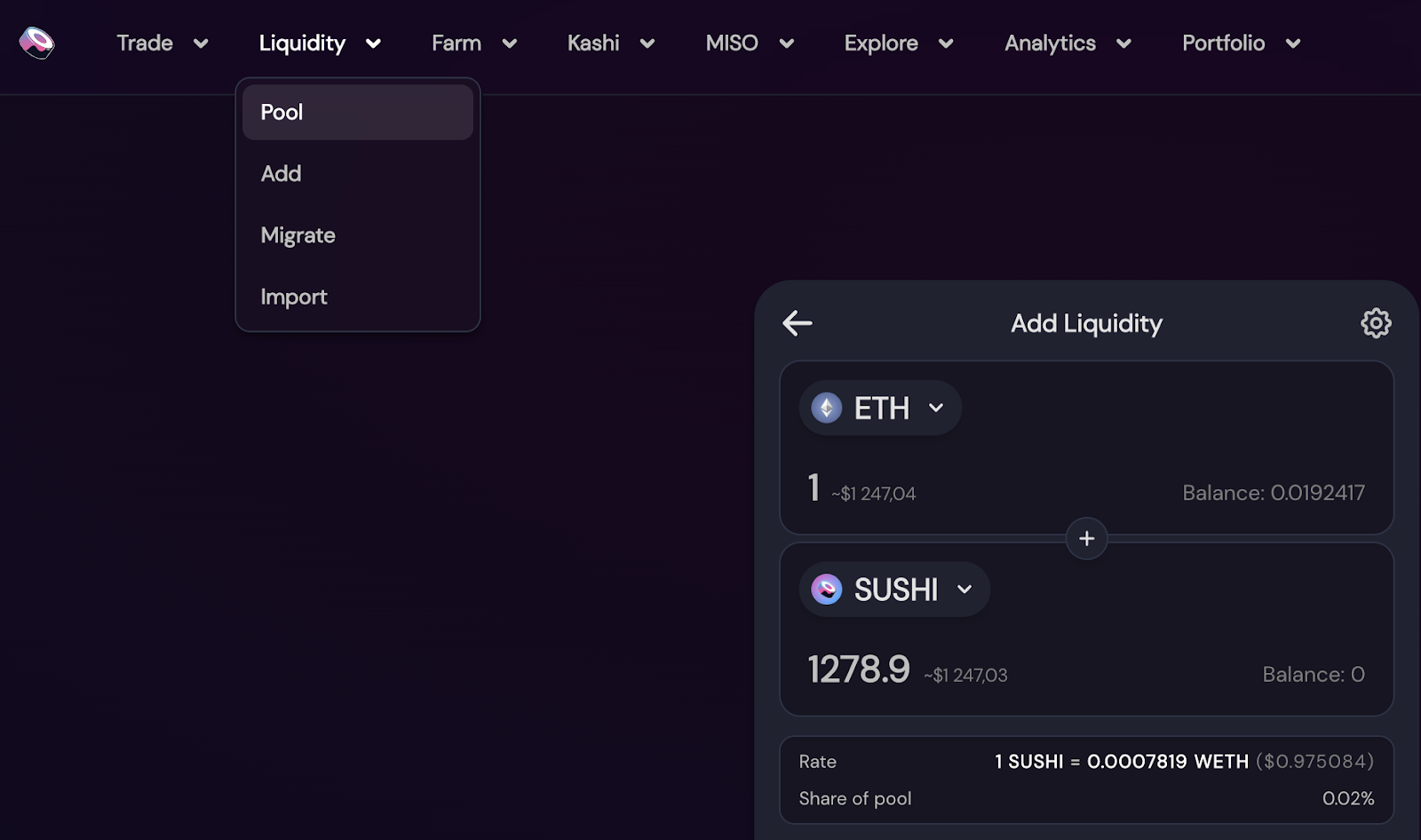
In the Liquidity menu item, by clicking on the Pool option we can add 2 tokens and create an LP token.
To create an LP token with a pair of ETH/SUSHI, you should have both assets in your wallet.
Once created, you can simply keep your LP token in your wallet and earn income dependent on your share of that trading pair’s liquidity pool.
At the time of writing, the LP token, consisting of 1 ETH and 1278.9 SUSHI, only has a 2.03% share of this liquidity pool.

You can also put your LP token in a Farm yard to earn passive income.
What is a farm?
A smart contract where you can use both LP token And Solo token to get income in signs of the protocol you use is called a farm because all of these pools are controlled with a MasterChef Farm smart contract. According to AnalytEx, more than 1,000 smart contracts signed by MasterChef are created every month, most of which are called farms for short.
In other words, if you have an income in tokens of the protocol used, whether you put an LP token (a pair of tokens) or a regular token in a smart contract, it all belongs to the MasterChef contract and should be called A Farm yard.
Let’s look at the sushi swap interface:
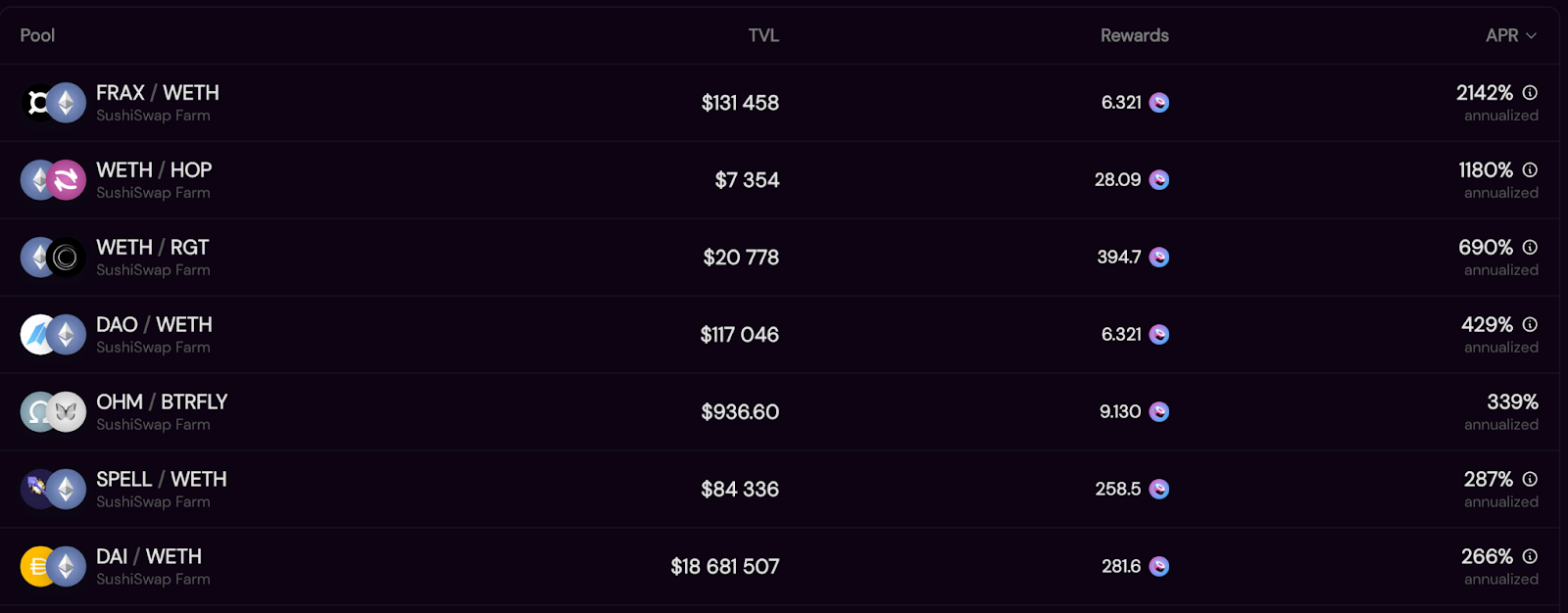
We can see different pairs of tokens forming LP tokens. If you insert these into Sushiswap’s MasterChef contract, you will receive a token of this protocol – SUSHI.
For example, if you put your LP token, consisting of FRAX and WETH pairs, into SushiSwap, you will get a token of that protocol called SUSHI. At the same time, the investor receives a double rewardfor staking the LP token in SushiSwap Farm (MasterChef) and for providing liquidity in the FRAX/WETH pair.
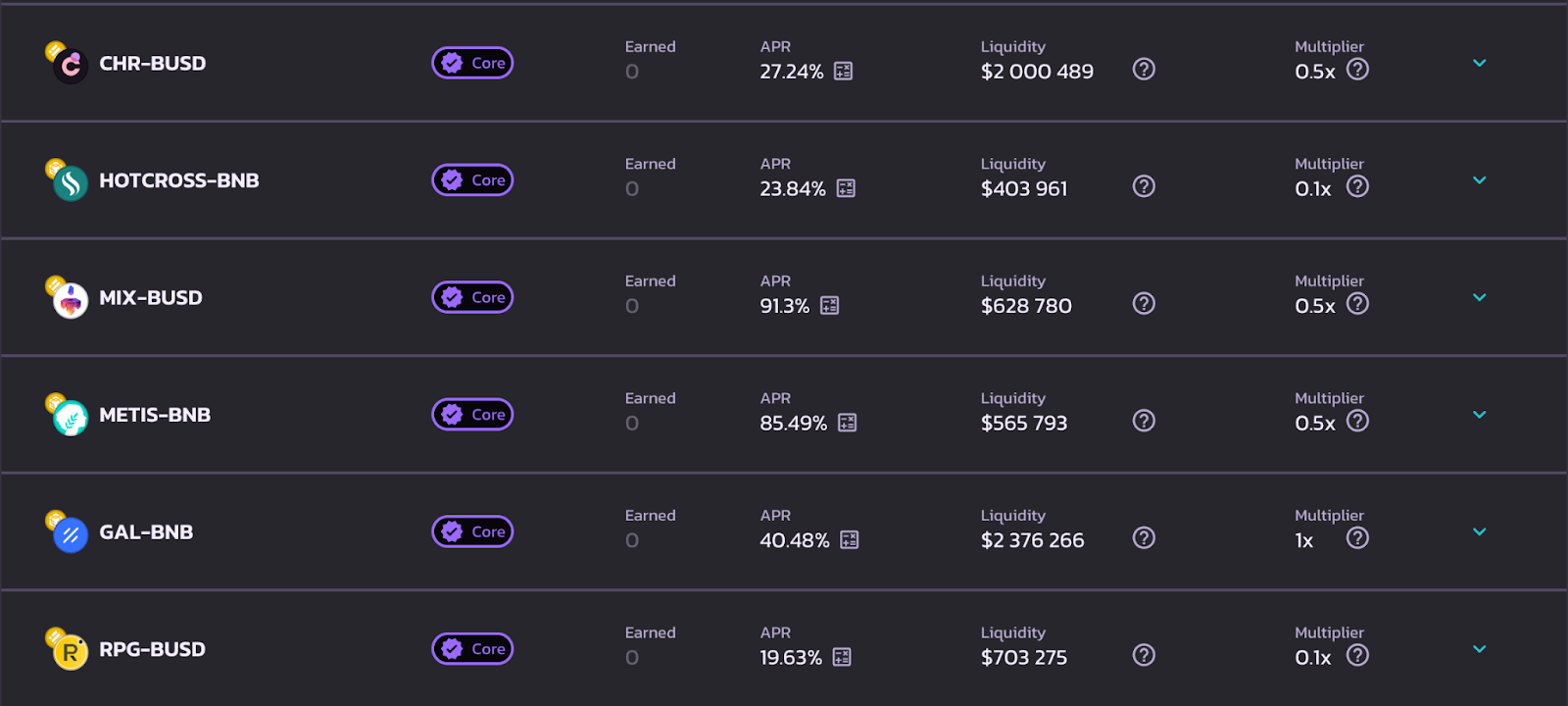
We observe the same situation with other protocols, for example, pancake swap – We can stake the LP token and get CAKE – the token of this protocol.
Where’s the misunderstanding?
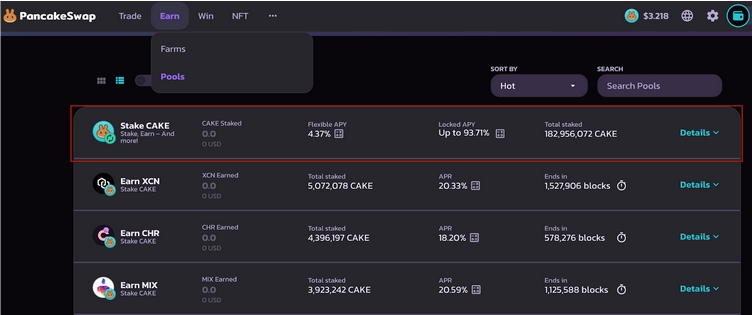
In the Pools tab (called Syrup Pools), which separates almost all logs from farms, we see a pool where you can use PIE to get PIE, but above we discussed you using tokens of the you used Protocol rewards use that farm’s MasterChef contract, regardless of whether the LP is tokenized or solo. So it would be more correct to place this pool on the Farms tab.
We can see a similar situation ApeSwap Protocol. Here are banana farms. BANANA is the main token of the ApeSwap protocol.
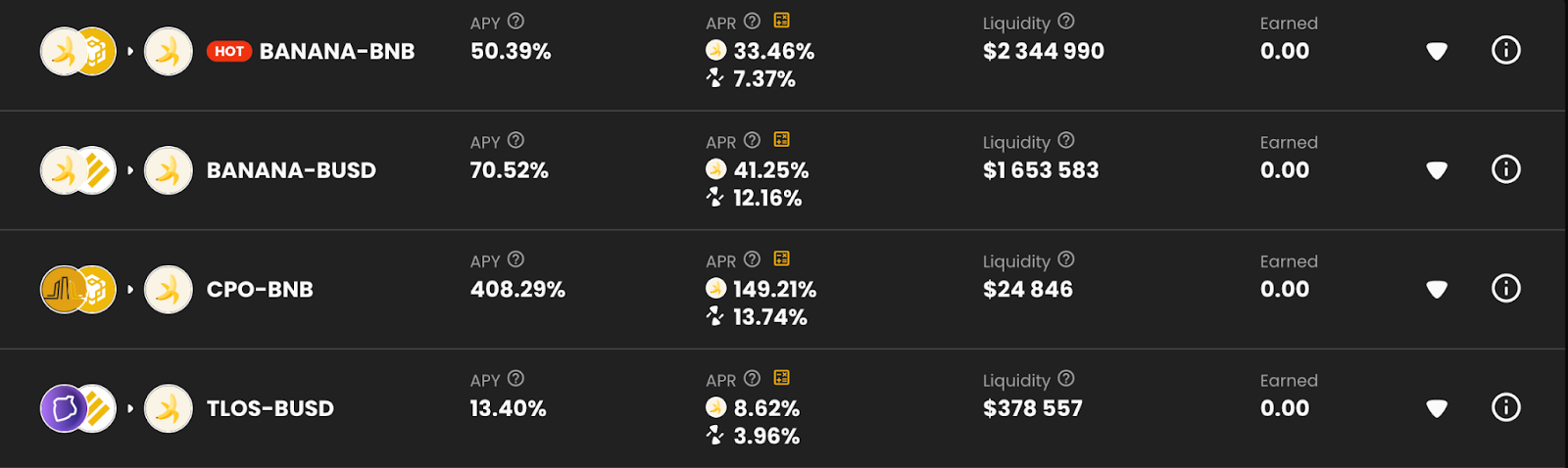
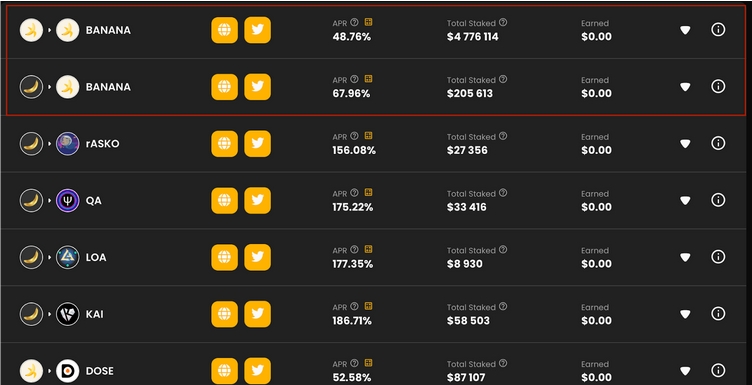
However, in the Pools tab (called Staking Pools) there are 2 pools related to the ApeSwap farm’s “Master Chef” contract.
According to AnalytEx, the Master Chief contains 123 pools in the ApeSwap Protocol.
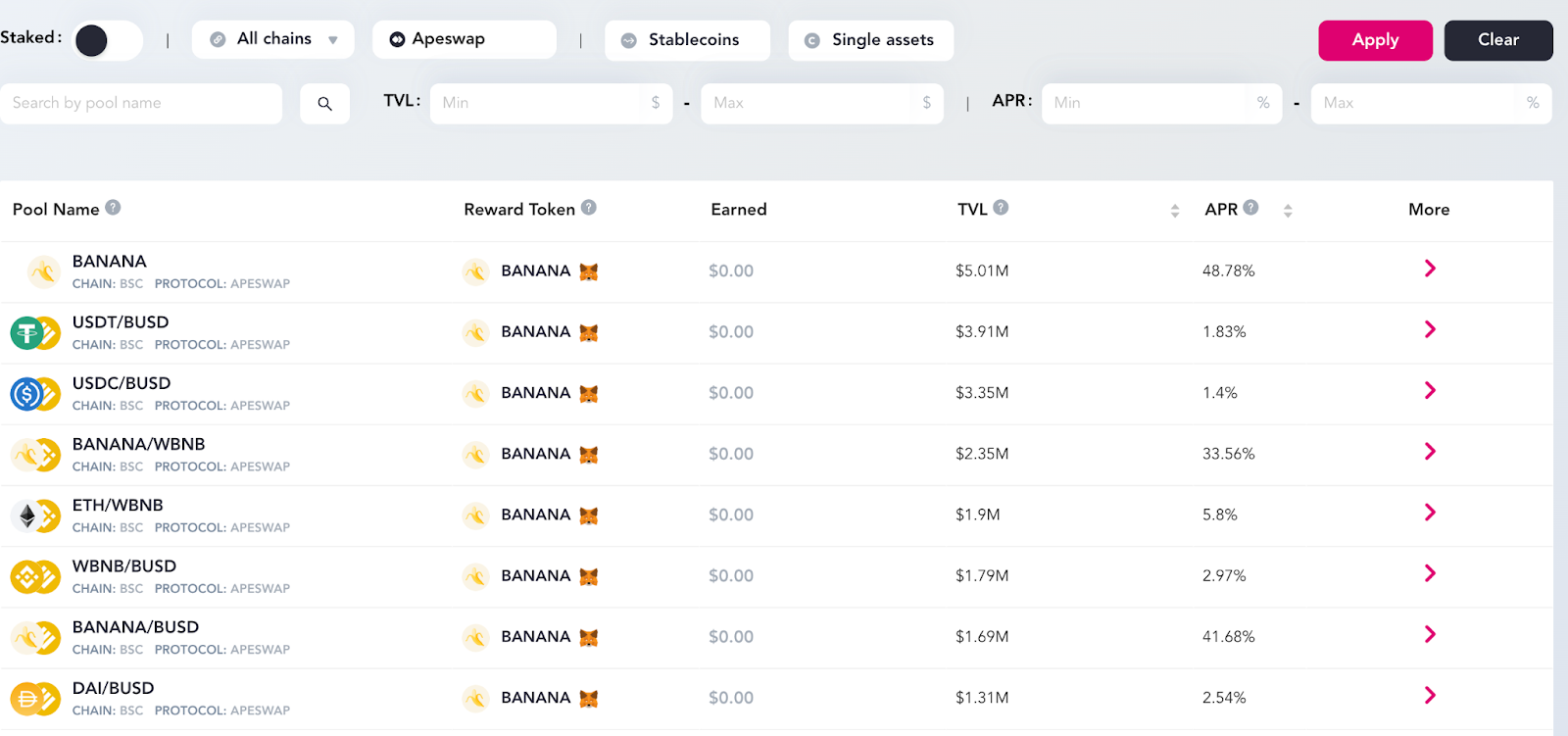
They are all called (farm) pools because they are all related to the ApeSwap MasterChef contract.
What are staking/syrup pools?
Staking or syrup pools are the type where you can stake a regular token (usually a protocol token) into a smart contract to earn it other tokens Users pay interest to pledge their tokens to the network to provide security for proof-of-stake blockchains.
For example, at ApeSwap, you can stake BANANAS tokens to earn them different tokens Staking and syrup pools are two names for the same thing in different protocols.
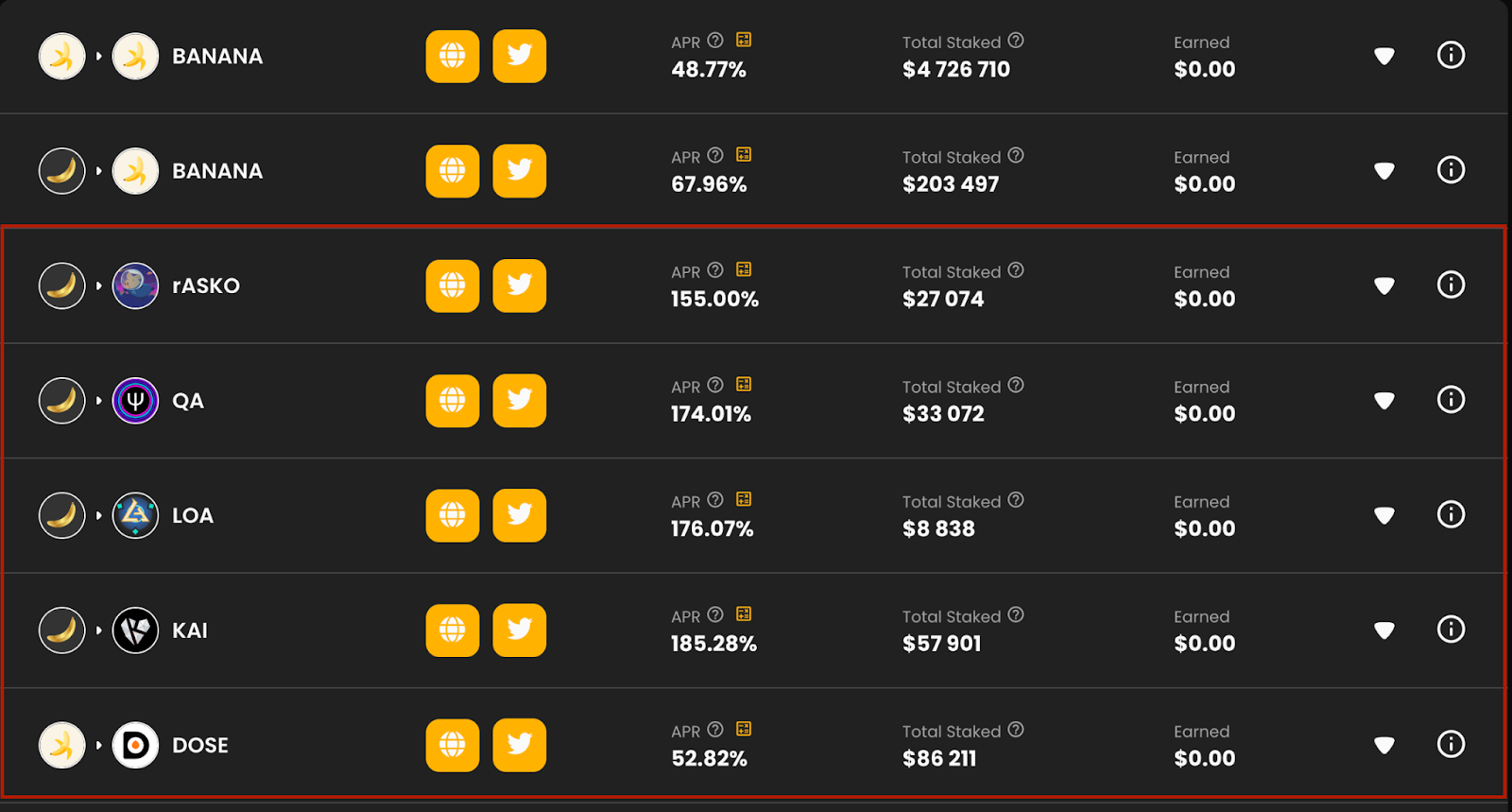
As a general rule, most known protocols do not explain the difference between farm pools and staking/syrup pools and split farming opportunities based on the tokens placed in a smart contract. When we talk about LP tokens, the commonly used term is “farms”, but when it comes to a solo token it is referred to as “(staking/syrup) pool”.
Conclude
From everything we have covered above, it can be concluded that when you receive earnings in tokens of the protocol you are using, you will normally access this protocol’s MasterChef contract. Regardless of whether you use LP tokens or Solo tokens for staking. Such pools may be referred to as “farm pools” for convenience.
If you use solo tokens and get a reward in some other tokens, use third-party smart contracts. They are called “staking” or “syrup” pools.
There are liquidity pools, farm pools, staking/syrup pools, lending pools (in terms of lending protocols).
It is necessary to understand the basic terminology and their differences in order to fully and clearly understand the DeFi space.
_____
Learn more:
– DeFi suffers from over-centralization, what can be done?
– Hackers stole $670 million from DeFi projects in Q2, up 50% from Q2 2021
– DeFi is “designed to avoid this bullshit,” Compound founder says of crypto bailouts
– How tokenomics might change after the collapse of Terra
Learn Crypto Trading, Yield Farms, Income strategies and more at CrytoAnswers
https://nov.link/cryptoanswers
Comments are closed.