


Yield farming and liquidity pools are two key concepts in the world of blockchain and decentralized finance (DeFi). These innovative concepts have gained significant traction in recent years, revolutionizing the way individuals generate passive income and participate in the crypto ecosystem. Understanding how yield farming and liquidity pools work is important for anyone wanting to reap the potential benefits.
What are yield farming and liquidity pools?
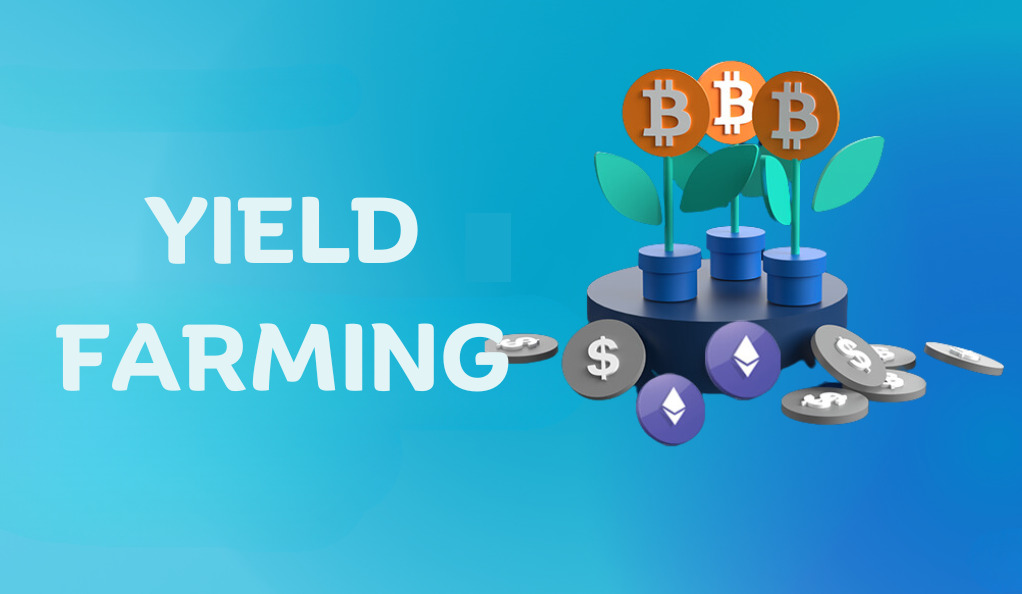
Yield farming, also known as liquidity mining, is a practice that allows cryptocurrency holders to generate rewards by lending or staking their digital assets on DeFi platforms. It is the provision of liquidity to liquidity pools, which are pools of funds based on smart contracts that enable transactions and trading activities. Liquidity pools are typically created via decentralized exchanges (DEXs) and allow users to trade tokens without relying on traditional order books.
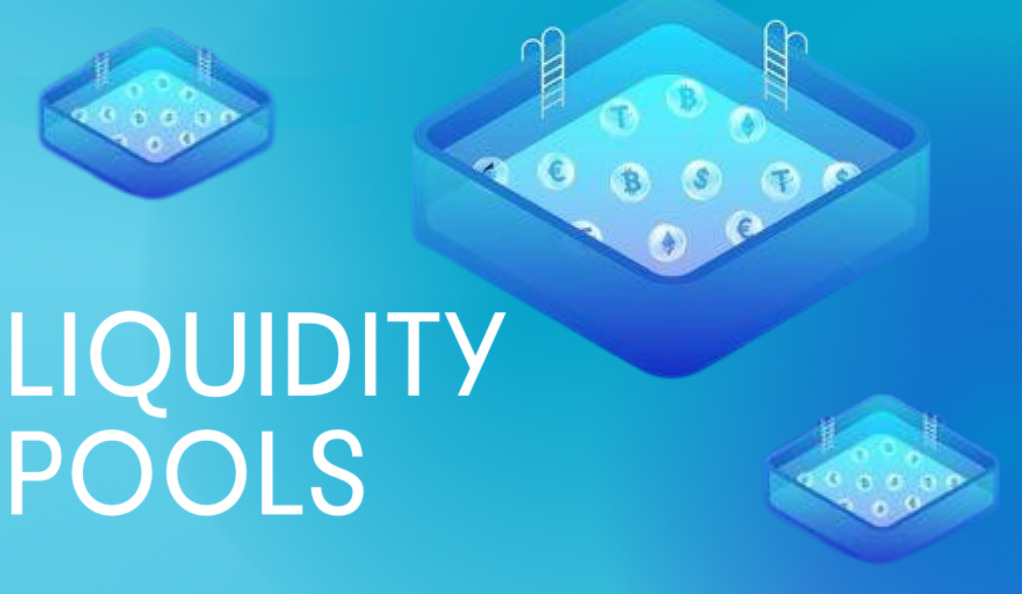
By providing liquidity to these pools, users can earn rewards in the form of additional tokens or fees generated from transactions within the liquidity pool. The rewards are usually proportional to the amount of liquidity provided. Yield farmers can maximize their yields by strategically allocating their assets to different liquidity pools or yield farming protocols that offer higher rewards or incentives.
Exploring the mechanisms and benefits of yield farming
Yield farming is made possible through the use of smart contracts that automatically execute predefined rules and distribute rewards to participants based on their contributions to the liquidity pool. These smart contracts eliminate the need for intermediaries and allow for a more decentralized and efficient system. Additionally, yield farming offers cryptocurrency holders an opportunity to leverage their idle assets and earn passive income, which can be particularly appealing in times of low interest rates.
One of the key benefits of yield farming is the potential for high yields. However, it is important to note that yield farming carries risks, including the possibility of temporary losses and vulnerabilities in smart contracts. A temporary loss occurs when the value of the tokens in the liquidity pool changes relative to each other, resulting in a net loss for the liquidity provider compared to just holding the tokens. Therefore, it is important for participants to carefully weigh the risks and rewards before engaging in yield-based farming activities.
Yield farming and liquidity pools have become a popular way for individuals to earn income from their cryptocurrency holdings. By providing liquidity to decentralized exchanges and other DeFi platforms, users can generate rewards and participate in the growth of the blockchain ecosystem. However, it is important to approach yield farming with caution as it involves risks that should be thoroughly understood. As the world of blockchain and DeFi continues to evolve, understanding and navigating these concepts will become increasingly valuable for anyone looking to get the most out of their digital assets.
Learn Crypto Trading, Yield Farms, Income strategies and more at CrytoAnswers
https://nov.link/cryptoanswers
Comments are closed.