


The crypto markets are very dynamic. TradFi traders could actually get lost in all the Defi jargon, especially as it involves technology. Many of you have read a number of articles dealing with MEVs (Maximum Extractable Value) and block buildingethereum Relay, and Flashbots, but did you understand any of that?
In this article, we will explain these concepts using the chain of events of a single transaction.
Exchange those tokens!
By now, the majority of users understand how a typical Ethereum transaction works. Ethereum transactions can range from NFT minting, token approvals, swaps, bidding, staking, yield farming, among others. Let’s examine swapping.
On Uniswap you can easily swap tokens, for example sell some ETH to get USDC:
This transaction would normally involve connecting your wallet to Uniswap and then making an exchange.
chain of events
- What happens next (behind the scenes) is that your TX switches to the Ethereum network. This is done via an RPC (usually Infura). To understand what Infura is, think of a waiter in a hotel who takes your “order” and forwards it to the kitchen (Ethereum network).
- Once the TX reaches the network, it is included in a mempool (a pool of transactions from other users of the network).
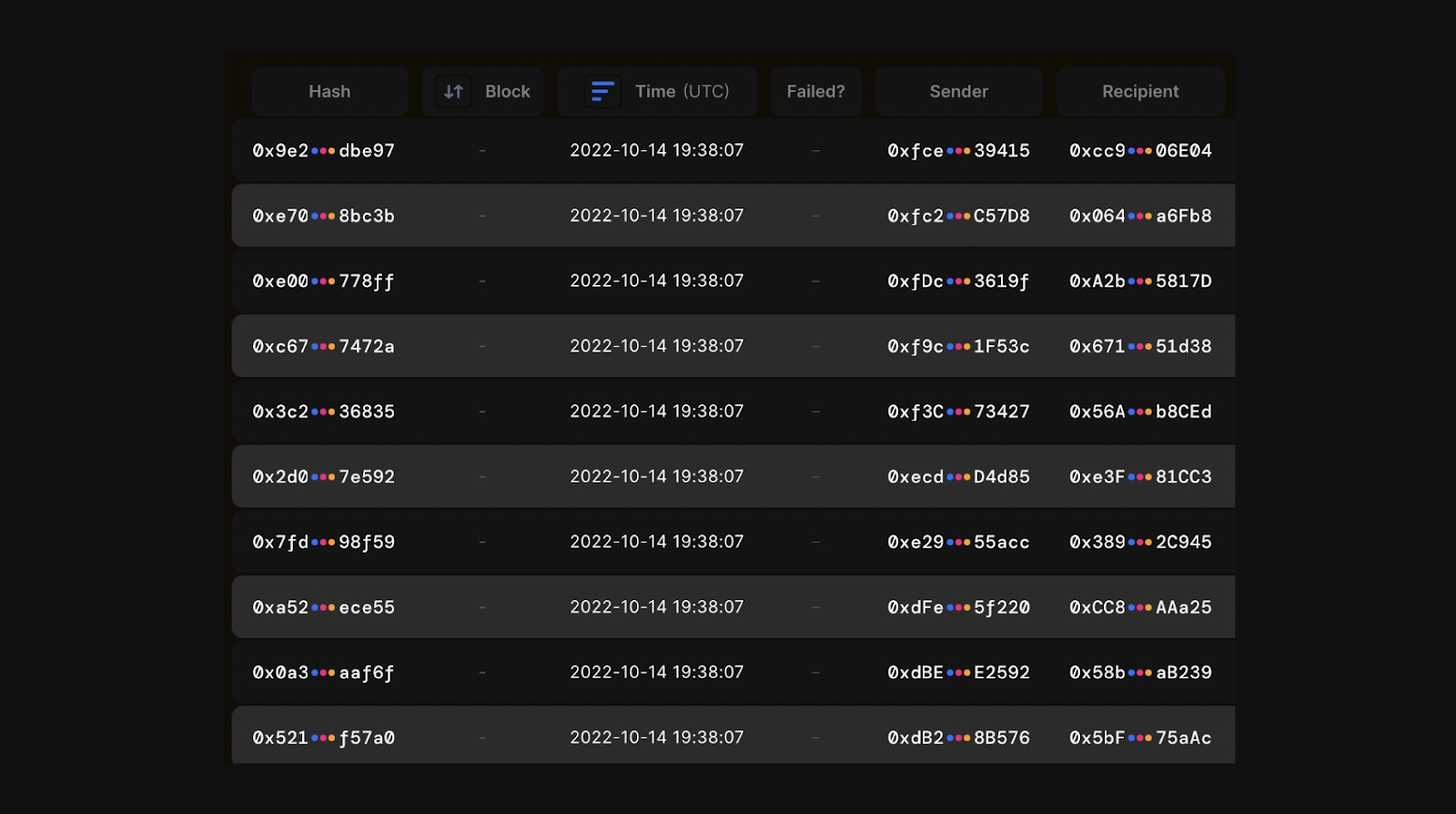
When the pool is “full”, the transactions are combined into one block. The transaction order in the block is based on the fee amount paid, unless there is an MEV nearby.
Keep! How is MEV formed?
To understand this, suppose you have 10,000 ETH on the blockchain. AMMs, like Uniswap, typically experience small (or sometimes large) blips in every transaction for every dollar sold.
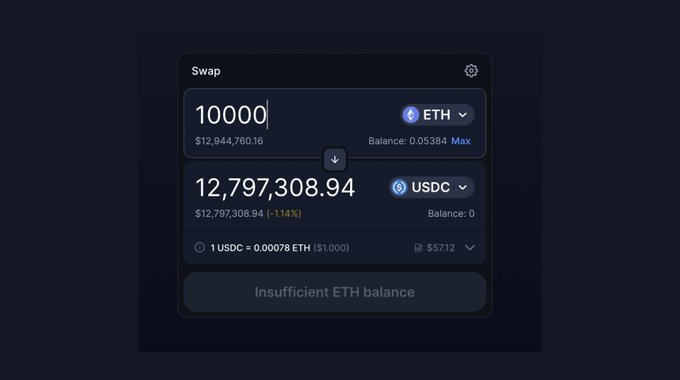
So if you try to sell a large amount of a single asset, such as 10,000 ETH, the new price will be lower than the current market.

MEV seekers and bots
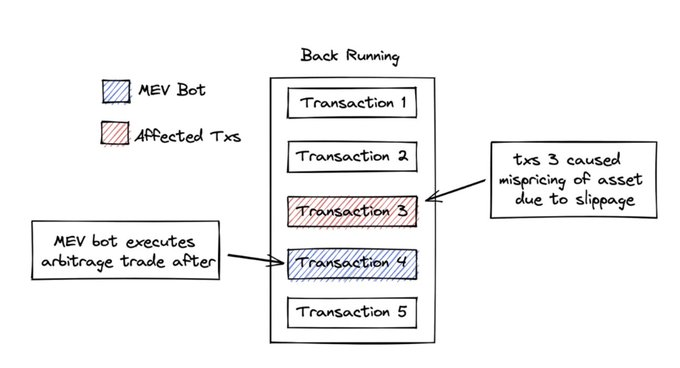
MEV seekers look for such opportunities and once identified, they would buy ETH at the new price in that AMM and sell back at the current market price, pocketing the difference as profit. In some cases, the MEV extractors can push you, buy up an asset and sell it to you at a premium.
In order for the MEV seeker to push you back and sell you for a profit, they must pay the highest fee/tip of all transactions in a given block to allow their TX to be picked up first.
Enter Flashbots
Flashbots are deliberately created to solve the MEV problem. The TL;DR of Flashbots is that it’s a huge auction. It allows MEV extractors to bid on the blockspace instead of using brute force to knock smaller traders out of the queue.

With Flashbots, if you (as a MEV seeker) want the TX that is immediately after mine, you can bid for it. If you win, you can lead the TX. A successful bid involves the various MEW extractors submitting their TX bundles to the block builder at the same time.
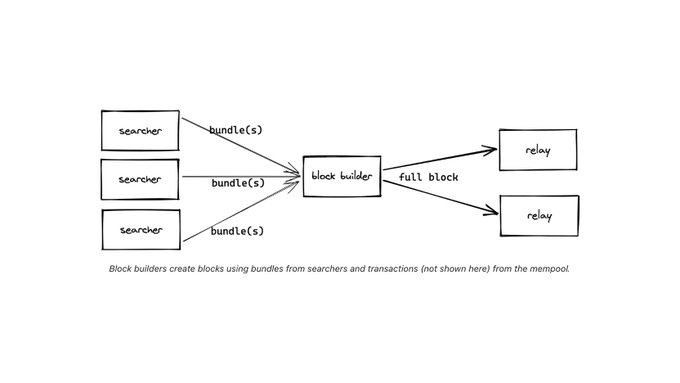

There are many relays working simultaneously and competing against each other to present the most valuable block to the network validators.
Conclusion
This is perhaps the easiest way to explain these complex concepts in less than a thousand words. Further reading would do you good and will help you fully understand the concepts. MEVs offer lucrative risk-free arbitrage opportunities.

Vincent Munene is a freelance writer and a huge blockchain enthusiast. Blockchain has changed his life in terms of financial freedom and in return he likes to educate people and update them on everything blockchain related. He is a biochemist by profession and also enjoys playing the piano.
Learn Crypto Trading, Yield Farms, Income strategies and more at CrytoAnswers
https://nov.link/cryptoanswers
Comments are closed.