


There are two types of Ethereum on the market: Ethereum and Ethereum Classic. Ethereum was proposed by Vitalik Buterin in late 2013 and the system went live in July 2015. Due to a hack, the community split into two different camps, resulting in the formation of the two separate blockchains.
What is Ethereum?
Ethereum is a blockchain derived from Ethereum Classic, a platform for application development and smart contract deployment.
A smart contract is a script stored on the blockchain that executes the terms of the contract itself. The execution process is controlled and enforced by the blockchain. These smart contracts enforce and automate transactions and applications running on Ethereum. These applications, known as dApps (decentralized apps), can be used for different functionalities and purposes.
What Is Ethereum Classic?

Ethereum Classic is an open-source public blockchain that has the same deployment capabilities as Ethereum. The currency emerged from a fork of the original Ethereum after the DAO hard fork in 2016, which occurred a year after Ethereum was launched.
Ethereum Classic also runs a decentralized, Turing-complete virtual machine, the Ethereum Virtual Machine (EVM), as well as smart contract development and functionality.
Ethereum Classic, known as “classic ether”, can be bought on most cryptocurrency exchanges these days. Gas is an internal transaction pricing mechanism designed to contain spam on the network and allocate resources according to the incentive provided by the request.
The Origins of ETH – The DAO Hack
In May 2016, DAO, an Ethereum-based venture capital fund, raised a huge sum of money – $168 million – to be used to develop smart contracts.
In order to exit the DAO, the user had to send a request and the splitting function then returned the user their ether in exchange for their DAO tokens and subsequently updated the ledger with the transaction and the internal token balance.
A hacker exploited a vulnerability and created a recursive function in the request that allowed them to repeat the request for the same DAO tokens multiple times before registering and updating the transaction.
In June, the hacker managed to steal 3.6 million Ether (about $50 million at the time) from the DAO. At that point, the DAO had a nearly 14% share of the total supply of Ethereum. However, the hacker could not access the funds immediately because DAO’s smart contract did not allow the invested funds to be transferred for 28 days.
Almost a third of the DAO’s original funds were stolen, prompting the community to seek a quick fix to this problem.
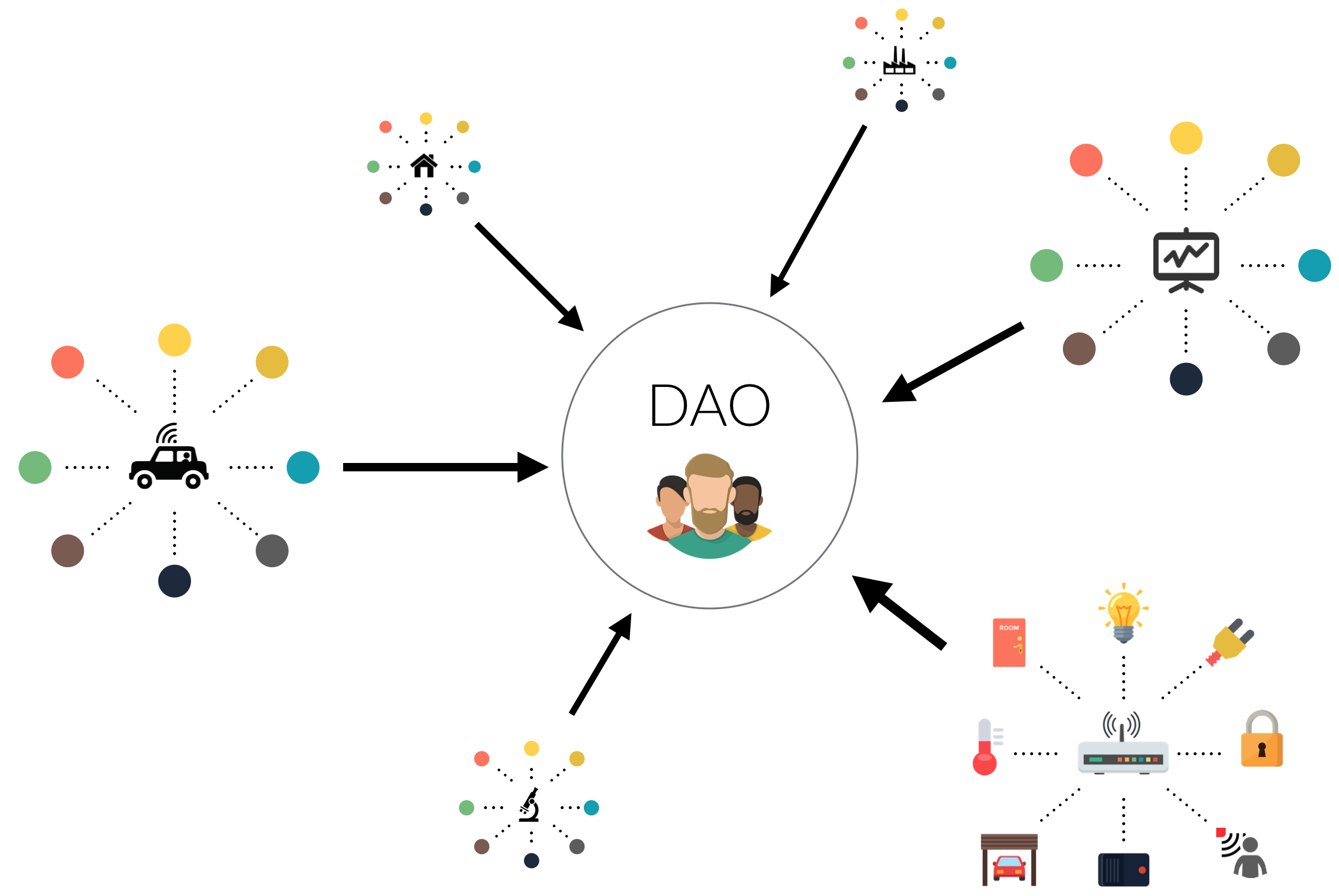 Source: BlockchainHub
The proposed solution was to fork or stop the blockchain and create a new one from scratch. The new blockchain is now called Ethereum with its coin ETH. Ethereum Classic is the first Ethereum that still uses the original blockchain.
The decision to fork created a split in the community, and although most of them voted to fork, a small percentage (roughly 10%) of people refused to upgrade. This led to a fork in the Ethereum chain and the new ETH users were able to have the $50 million refunded.
Ultimately, all of Ethereum’s developers – including founders Vitalik Buterin and Gavin Wood – left the original blockchain and migrated to Ethereum.
Nonetheless, Ethereum Classic is still supported by those who believe in the immutability of blockchain technology, including Barry Silbert, the CEO of Grayscale.
ETC vs. ETH – The Differences
Ethereum runs on a brand new blockchain and the vast majority of miners, users and protocols from the previous version of Ethereum use this new version.
Ethereum Classic works on the same protocol and has similar functionalities, but has some distinct differences in its community.
Ethereum has a different ideological approach as it wants to grow and potentially have more hard forks in the future, while the ETC community believes in the immutability of the blockchain above anything else.
ETH community leaders are far more public than those supporting ETC. The Ethereum Alliance, which consists of well-known companies such as Accenture, JP Morgan, Microsoft and UBS, has given ETH more credibility than ETC.
The main problem with Ethereum Classic is the lack of backwards compatibility with the Ethereum hard fork. All of the main developers and founding team of Ethereum continue to develop updates and lead marketing for Ethereum, leaving ETC on the sidelines.
Another key difference lies in their consensus protocol. Ethereum has transitioned from its initial Proof of Work (PoW) to a Proof of Stake (PoS) algorithm, while ETC continues to use its PoW algorithm.
It’s arguable that both ETH and ETC have their strengths and weaknesses, but ETH definitely tops the list as it has a market cap of nearly $21 billion, while ETC has one of around $1 billion .
Diploma
Ethereum is the forked version of Ethereum Classic, but while sharing many of the same features and use cases, ETH has managed to gain more support and traction than the original blockchain.
Learn Crypto Trading, Yield Farms, Income strategies and more at CrytoAnswers
https://nov.link/cryptoanswers
Comments are closed.