


The idea of searching for belonging can be a daunting task for a young person. It can be even more difficult for young people from disadvantaged families and migrant communities who may be struggling with social problems or lack of connections.
Belonging is feeling accepted and in a place where you want to be with a sense of belonging based on your skills and who you are.
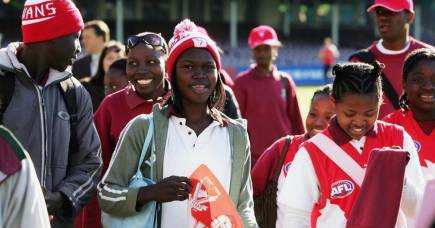
Belonging is one of the settlement issues that many young migrants struggle with. Image: Getty Images
As a social worker and researcher who has worked with young people from migrant and refugee backgrounds and their families, I know that belonging is one of the settlement issues that many young people from migrant backgrounds struggle with for various reasons.
And sport can play a crucial role in that sense of belonging.
In other words, sport is an important means of integration, development of young people and communities, strengthening social, psychological, economic and physical capital.
What’s it like being young in Australia and from overseas?
Continue reading
It is an important tool for promoting social inclusion in society – especially for children who are integrating into a host country and may also be recovering from a traumatic or difficult experience.
Participation in sport also brings many social benefits for young people from disadvantaged community groups, their families and the wider community – including health and well-being and the reduction of anti-social behavior or criminal activity within a community.
Sport is a great way to create avenues of belonging, but a lack of engagement and support for young people from migrant and refugee backgrounds hinders this participation.
belonging and leadership
Sport teaches young people various life skills that they often do not learn at school.
 A lack of commitment and support for young people with a migration and refugee background can make participation difficult. Image: Getty Images
You learn a lot about mistakes and the resulting consequences. They learn to take charge and responsibility as part of the game. They learn that it is a place for positive attitudes, respect and leadership.
In fact, sport has emerged worldwide as a way to improve outcomes in communities with high levels of social and economic disadvantage.
Sport can help young people from low socio-economic backgrounds build their social capital – that is, the resources, practical skills or virtues that a person or group accumulates through a network of relationships – which can lead to meaningful opportunities in a young person’s life.
Mapping Australia’s multicultural future
Continue reading
In social capital theory, sport is a great way to connect young people to have fun with friends, compete productively, and stay in good physical shape while improving their skills, making friends, and learning to be part of a team .
Participation in sport can also help address the well-being of these young people – such as social isolation – by providing opportunities to actively involve them in something productive.
But there are modern challenges on and off the pitch that can discourage young people from playing sports.
barriers to belonging
Some young people from disadvantaged or migrant backgrounds fear being targeted by potential bullies, discrimination and racist behavior – discouraging them and their families from getting involved in sports clubs. There are very recent examples that can scare off very young people who would benefit most from the values of respect, dignity and justice.
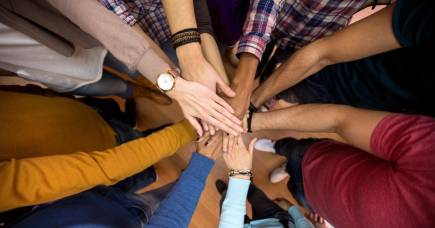
 Sport is a great way to connect young people. Image: Getty Images
Sport leaders and clubs have the opportunity to help young people find their place in the world by offering advocacy and mentoring, regardless of their background.
But another obstacle to the effective participation of young people in sport is cost.
A lack of financial resources may discourage some young people from participating, so effective engagement and participation in organized sports programs at both national, international and local grassroots levels is vital. Sports programs need to ensure that ‘belonging’ does not exclude lower socioeconomic groups.
Another problem when it comes to inclusion in sport is cultural insensitivity.

Why we don’t do better on racism in sport
Continue reading
There needs to be investment in young players’ cultural understanding and in programs that support the appreciation of cultures and traditions. Cultural insensitivity can discourage families and young people from cultural minorities from being actively involved in sports clubs.
It is up to these associations to reconsider their policies to take cultural issues into account. They must create or provide a positive environment that welcomes families and their young people from different community groups and different lifestyles.
And that’s especially true for those in leadership positions. Recent research has found that some in sport leadership positions pay little or no attention to the issue of diversity and under-representation of community groups in sport clubs.
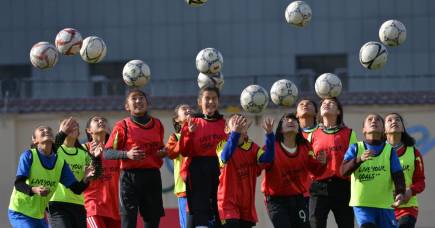
 There needs to be an investment in the cultural understanding of young players. Image: Getty Images
There are others – including coaches, managers, directors and other key decision makers – who are opposed to the idea of diversity in sports clubs and encouraging participation in sport for culturally diverse community groups.
At times, ethnic communities remain concerned about the challenges they face in areas such as social justice, support for young women and girls, diversity policy development and implementation.
These are all issues that sports organizations need to consider in order to engage community groups in their local areas – regardless of race, gender, sexuality or religion.
Race, Sport and the Media: Challenging the Status Quo
Continue reading
Build and connect bridges
Sport is valued for its ability to bring people from different backgrounds together to create a strong sense of community and national identity. It can build social bonds and bridges in community networks that may have been eroded by war and displacement.
Sports programs can help families and their young people from refugee backgrounds to integrate in host countries and create innovative opportunities such as learning the local language or making friends outside of the family.
Crucially, sport can support a sense of purpose, direction and belonging for disadvantaged young people, their families and the migrant communities who now call Australia home.
Banners: Getty Images
Comments are closed.