


Ho Chi Minh City planned to begin building an international financial center; However, it is difficult to imagine in which direction the center will develop.
Professor Tran Ngoc Tho
The party's 13th National Congress resolution set the task that the government will select several localities, urban areas and regions with special advantages to build a financial center with special institutions, mechanisms and policies that are highly competitive internationally, and at the same time to create a specific financial center mechanism to promote the development of Ho Chi Minh City into an international financial market.
However, how the international financial center based in Ho Chi Minh City will develop while Da Nang City also has the ambition to become an international financial center.
Prime Minister Pham Minh Chinh signed a decision establishing a steering committee to develop the international finance project on October 6, 2023. Deputy Prime Minister Le Minh Khai was appointed head of the Government Advisory Committee to study and coordinate with other relevant ministries and agencies in developing regional and international financial center projects.
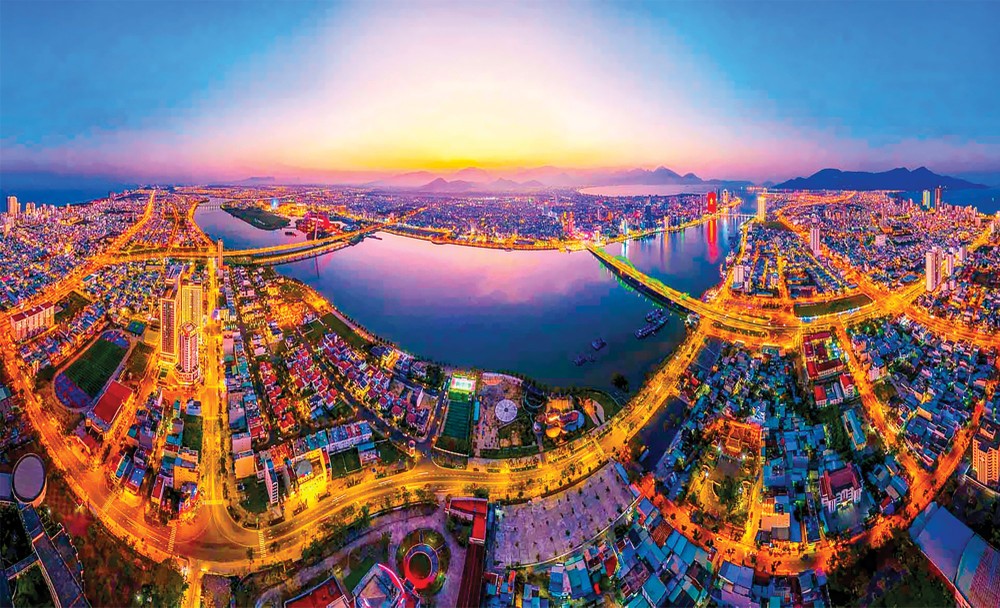
The international financial center in Ho Chi Minh City can be divided into four main blocks: financial technology (fintech) and digital banking; financial market; Thu Thiem financial and business district; and commodity trading platform. Da Nang City also aims to become a regional financial center and a national fintech hub, with a very special feature – the form of an offshore financial center.
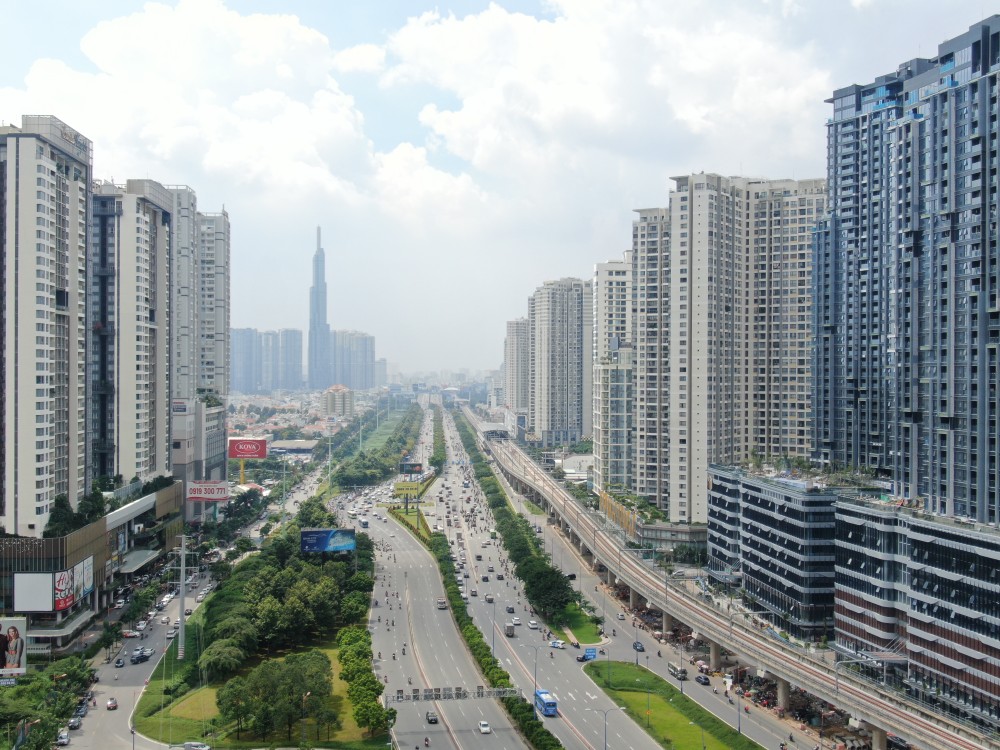
From Nguyen Giap Street
The International Monetary Fund (IMF) believes that although offshore financial transactions are legal, there are still many unclear points, such as tax evasion and money laundering. In 2007, the IMF officially defined offshore financial markets as a country or jurisdiction that provides financial services to non-residents on a scale several times greater than the national GDP.
“Small place, big money” was the apt title of one of the first analyzes of the Cayman Islands' position in the international financial system. This tiny group of islands in the Caribbean, with a population of around 58,000 and a domestic economy of less than $3 billion, has attracted foreign capital to the tune of over $4,100 billion in international capital from international banks, hedge funds and FDI capital. By this ratio, the Cayman Islands is by far the most OFC-intensive country in the world, with foreign assets representing more than 1,500 times the Cayman Islands' domestic economy.
Since 2000, the IMF, together with the Organization for Economic Co-operation and Development (OECD) and the Financial Action Task Force (FATF), has established compliance regulations on transparency in financial transactions to combat money laundering, terrorist financing and tax regimes. As a result, offshore financial centers are increasingly becoming less attractive. Without tax incentives and secrecy, offshore financial markets are no different from international or regional financial markets in the traditional sense. It is no longer understood in the same sense as before between good (traditional international market) and bad (offshore market).
For example, the traditional Dubai International Financial Center, which exists in the form of a free financial zone, has tax incentives and the highest class of international law, but since it functions like an offshore financial market and the government is difficult to manage, therefore, it used to be in the dark Money laundering list. Traditional international financial markets in Singapore and Hong Kong are now also referred to as offshore, although they are becoming less disreputable due to better compliance management.
If Da Nang City wants to have an offshore financial center in the sense of a jurisdiction, the National Assembly may need to pass a separate law or resolution. In this case, it is likely that both the international financial centers of Ho Chi Minh City and Da Nang will have two separate regulations.
So what are the consequences if a country or region has fragmented and different regulations governing international financial transactions?
At the opening of the Global Banking Summit 2020, Mr. Axel Weber, CEO of UBS and former chairman of the Bundesbank, said in a response in the Financial Times that this is the reason why Europe's leading international financial centers such as Frankfurt and Paris are not doing so well could develop like London was due to fragmented regulations. Invisibly, everyone takes part in a zero-sum game; if one wins, the other must lose.
However, if there is no fragmentation to prevent a race to the bottom, Ho Chi Minh City and Da Nang City could both apply the same regulatory framework. This will be in line with the trend of increasingly blurring distinctions between offshore and traditional financial markets. If that is the case, the strength of Da Nang's offshore financial market could be fully shared or even surpassed by Ho Chi Minh City, but it is also possible that both will deform into a sinking pipe of international financial flows.
In the development of international financial markets, errors can also occur due to biased considerations or, worse, non-economic objectives.
Ho Chi Minh City has organized many seminars and written projects on international financial markets over the past two decades, but the city has still not seen a way out, as some ministries and agencies have probably not been convinced. Now the overlap of offshore financial markets and Da Nang's fintech hub makes the problem even more difficult, if not clever, it may be impossible to solve.
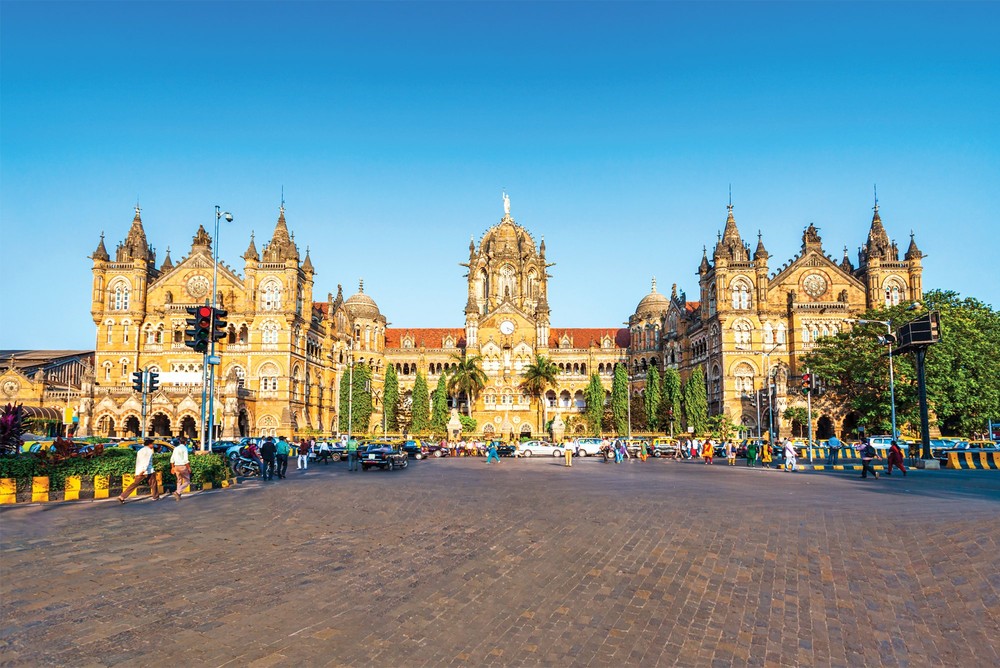
The steering committee should examine many types of offshore financial centers in the world. Lessons from Mumbai and Gujarat in India can serve as a reference to avoid the mistake of a race to the bottom to find a viable and very specific plan of action to realize the dream of Vietnam's international financial market in Ho Chi Minh City (or eligible ) areas) will soon become a reality, as proposed in the resolution of the party's 13th National Congress.
By Professor Tran Ngoc Tho – Translated by Dan Thuy
Comments are closed.