


Photo source: photosteve101 – CC BY 2.0
The media is pushing almost 24/7 that the economy is a terrible story. They refuse to let the strong labor market and rapid real wage growth get in the way. They seem to want everyone to think things are really bad, despite a 24-month unemployment rate below 4.0 percent and a sharp decline in wage inequality since the pandemic.
The most recent article in this effort was a New York Times article about how the economy is being manipulated. It told readers about the dire times as evidenced by the explosion in credit card debt. Although credit card debt is rising rapidly, it's not quite the horror story the article would have you believe.
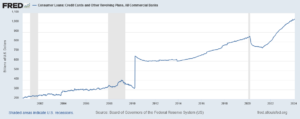
Credit card debt has virtually stopped growing in 2020-22. There were two reasons. First, the pandemic checks left many households with plenty of cash and no reason to take out loans with their credit cards.
The second reason is that we experienced an unprecedented boom in mortgage refinancing, with more than 14 million people benefiting from low interest rates during these years. Many of these households borrowed additional money when they refinanced, so they had no reason to borrow on their credit cards.
Those who didn't do a cash-out refinance saved an average of $2,500 per year in interest. Somehow this fact has gone almost unnoticed among those commenting on the economy.
As the money people saved during the pandemic runs out and the refinance window closes due to the rise in mortgage rates, people are turning back to credit cards. But we're just back to roughly our pre-pandemic trend, as shown below. (By the way, anyone who says credit card debt is at a record high is just telling you they know nothing about the economy. Just like GDP and income, credit card debt is almost always at record highs.)
If we're concerned about the burden of interest payments on family budgets, we can look at the debt service to income ratio, which includes the burden on all loans, not just credit cards. Here is the picture.
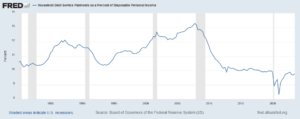
As you can see, in place of the terrible stress story, the rate is near a four-decade low, with the pandemic years being the only time it was lower.
To be clear, tens of millions of people are struggling to pay rent and put food on the table, but that was true even when Donald Trump was in the White House. In those years, the NYT and other major media outlets didn't feel the need to constantly run stories about how terrible the economy was.
I would also like to add that the economy is indeed rigged, but not in a way that the New York Times lets you talk about in its pages. The government grants patent and copyright monopolies that make people like Bill Gates incredibly rich and drugs incredibly expensive. Our system of corporate governance is a cesspool in which top executives earn tens of millions annually at the expense of their companies and vastly distort wage patterns throughout the economy. The bloated financial system siphons hundreds of billions a year from the rest of us and hands them over to hedge fund and private equity tycoons.
We could structure the economy differently so that the top talent reaps less of the benefits of growth. But the big media doesn't want to have such discussions. They just want to tell people that things are bad under Biden.
This first appeared on Dean Baker's Beat the Press blog.
Comments are closed.