


The prospects for a robust global recovery from the COVID-19 pandemic have dimmed following Russia’s invasion of Ukraine and a resurgence in global inflation. Not only is the macroeconomic outlook more mixed; Monetary and fiscal policy in the major economies will also have less leeway.
ITHACA – This should be the year of post-COVID normalization, job market healing, and reviving economic growth. However, it is proving to be a difficult period of geopolitical realignments, ongoing supply disruptions and financial market volatility, all playing out in a context of rising inflationary pressures and limited policy space.

As a result of these developments, the latest update of the Brookings-Financial Times Tracking Indexes for the Global Economic Recovery (TIGER) shows an overall loss of growth momentum, with countries’ vulnerabilities to negative domestic and international developments differing significantly. The war in Ukraine, the resurgence of COVID-19 in China and the lack of macroeconomic policy options available to most governments will make 2022 a difficult year for global growth. And while the disruptive impact of COVID-19 appears to have been contained in most parts of the world, the potential for new variants to emerge means it will remain a wild card.
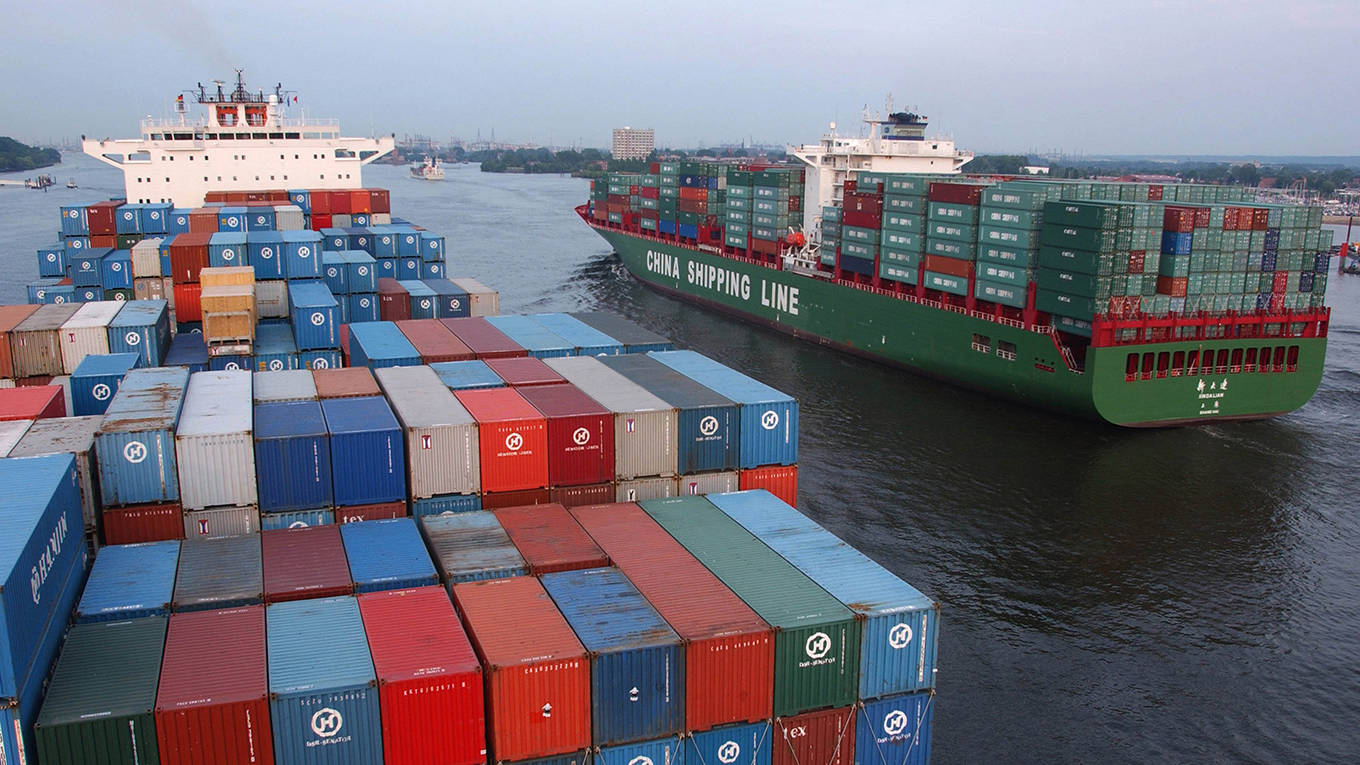
The rise in geopolitical tensions has exacerbated disruptions in global supply chains. With prices already soaring and demand in most major economies resilient until recently, the conditions are ripe for inflationary pressures to escalate around the world. Worse, most governments and central banks will struggle to stimulate demand when it shows signs of slowing amid rising economic uncertainty and financial volatility. Consumer and business confidence have already taken a hit and that bodes ill for consumer demand and business investment in particular.
The US economy continues to grow: Headlines for jobs and unemployment numbers have returned to pre-pandemic levels; industrial production was robust; and domestic demand remains strong overall, serving as a key driver of global growth. But the Federal Reserve is at risk of losing control of the inflation narrative, meaning it could be forced to tighten monetary policy even more aggressively than it has signaled, raising the risk of a significant slowdown in growth in 2023. High oil prices, a yield curve inversion (when the yield on short-term debt is higher than long-term debt), and a weakening stock market all point to and fuel a widespread sense of impending trouble.

Meanwhile, China’s determination to stick to its zero-COVID strategy seems increasingly unworkable. Consumer demand, investment and manufacturing are all showing signs of slowing, which could have repercussions beyond China. On a more positive note, house prices have leveled off, financial pressures have eased and consumer price inflation remains relatively contained. As a result, the Chinese government and central bank have more room for maneuver than policymakers in other major economies and are therefore likely to take more stimulus measures to counter the slowing growth momentum. But the government’s pledge to rein in longer-term financial risks will remain a constraining factor.
For their part, the eurozone economies face the difficult task of weaning themselves off Russian natural gas as quickly as possible. That could be immensely disruptive for some industries, albeit with a modest and short-lived overall slump in growth. If the reduced energy supply makes itself felt, the strong recovery of the German economy will clearly begin to falter.
PS Events: Finance 3.0

PS Events: Finance 3.0
At the Finance 3.0our latest virtual event, Jeremy Allaire, Hester Peirce, Carmen Reinhart, Raghuram Rajanand thought more about how to maximize the benefits and mitigate the risks of cryptocurrencies, digital payments, and decentralized finance.
Similarly, Japan’s consumption-led recovery has already been derailed by the disruptive impact of Omicron, clouding prospects for a sustained recovery. And as the UK economy recovers from the pandemic, it is heading for a difficult time, one in which rising inflation, higher taxes and supply chain disruptions are combined with formidable global headwinds.
The vise is also tightening for many emerging and developing countries, which have already suffered from rising global inflation, a rising dollar and unfavorable financial conditions (which limit their access to foreign funds). However, the currencies of the major emerging markets have generally held up well, owing to modest needs to finance current account deficits and healthy foreign exchange reserves. And the rise in commodity prices has been good news for some developing countries.
While India is enjoying a strong economic recovery, high inflation and rising oil prices could hamper growth if they prove sustained. Brazil is also experiencing a slight revival in growth, but remains plagued by political instability with the presidential elections in October. And, of course, the Russian economy has been hit by a combination of trade and financial sanctions. This will not directly impact global growth as Russia accounts for barely 2% of global GDP; but given the country’s importance as a commodity exporter, the war in Ukraine will increase price pressures, which in turn will limit other central banks’ room for manoeuvre.
Policymakers have a daunting balancing act ahead of them at the high stakes. In most economies, monetary policy is constrained by inflationary pressures and fiscal policy is constrained by high government debt. Keeping the world economy on a reasonable growth path requires concerted action to address the underlying problems. In addition to limiting pandemic-related disruption and managing geopolitical tensions, policymakers need to consider more targeted measures – such as infrastructure investments – to boost long-term productivity rather than just bolster near-term demand. This requires domestic political will and concerted international cooperation, both of which remain depressingly scarce.
Aryan Khanna contributed to this comment.
Comments are closed.