


Malaysia has further strengthened its presence in the Islamic Digital Economy (IDE) and consolidated its international competitiveness.
Key drivers include the growing technology companies serving the digitization of the Islamic Finance, Halal and Lifestyle sectors.
Despite the uncertainties caused by the Covid-19 pandemic, businesses and organizations worldwide have demonstrated incredible resilience and a shift to digital adoption was inevitable.
One of the sectors in Malaysia that has been steadily on the rise after this period of greater digital adoption is IDE.
The Malaysian government has recognized the potential of IDE as an engine for economic growth and a source of new revenue in the country. Accordingly, the government has used technologies such as artificial intelligence, the Internet of Things (IoT), Web3, fintech, and blockchain, among others, to boost its economy.
As part of this effort, the Malaysia Digital Economy Corporation (MDEC), the government’s sole engine for the digital economy, identified IDE as a promoted sector under its Malaysia Digital initiative. The country’s multicultural, multilingual, digitally skilled talent pool, state-of-the-art infrastructure, robust policies and guidelines, and mature investment ecosystem were building blocks that contributed to Malaysia’s global ranking as number one in Islamic finance and Islamic fintech.
With a 25 year track record, MDEC is at the forefront of proactively supporting a sustainable supply of startups that have met the growing demand for digitization from financial institutions, government agencies, cooperatives and the private sector. The notable shift towards digital adoption has also resulted in a change in investor behavior.
Malaysia: Focus on fintech
Over the years, Malaysia’s fintech ecosystem has grown exponentially, with more domestic and international companies and established companies looking for new ways to collaborate, connect and co-create. As of 2021, there were 294 fintech players in Malaysia.
Ablr, a mobile-first, one-stop financial services platform shaped by Malaysia’s thriving Islamic finance and fintech landscape, made its debut in 2021 by initially offering Sharia-compliant financing products that enable consumers and businesses to buy goods and… to pay for services over time.
 Ian Ow, Group Founder and CEO, OJ
The fintech company, which began operations in Singapore in 2020, is on a mission to use technology to deliver innovative products that help improve people’s lives and build financially inclusive communities.
“Malaysia is ranked the number one Islamic fintech market in the world by the Global Islamic Fintech Index and has one of the most robust ecosystems supporting the industry,” said Ian Ow, Founder and Group CEO of Ablr.
“As a fintech offering Sharia-compliant products aiming to bridge the gap for the unserved and underserved Muslim population worldwide, the maturity and strength of this ecosystem has helped Ablr lay a strong foundation for our Islamic headquarters in Malaysia as a stepping stone to the to meet the needs of the Sharia economy through finance in the region and beyond.”
“I would like to thank MDEC for helping us connect with the local Islamic ecosystem to explore market opportunities and address areas such as infrastructure, regulation and talent,” he adds.
The Halal Economy in Malaysia
According to the World Bank Group, Malaysia currently ranks first in the Global Islamic Economic Indicator overall ranking in Islamic finance, halal food, Muslim-friendly travel, and media and recreation.
The Twelfth Malaysia Plan states that improving the competitiveness of the halal industry is one of the key strategies to boost economic growth. Malaysia’s halal economy is dominated by the food service sector, whose sales are set to grow to $47.6 billion in 2025 from $31 billion in 2021, according to the World Bank report.
One of the companies driving the IDE agenda in Malaysia is Sinisana, a traceability solution provider from Sarawak, a state in East Malaysia. It is aimed, among others, at companies that intend to allay consumer fears about the halal nature of the beef they buy.
Sinisana Technologies began operations in 2019 to help brands outperform their competitors by giving consumers a behind-the-scenes look at the products they buy. By combining multiple data streams throughout the supply chain, brands can back their claims with real-world data to strengthen brand equity and build long-term customer loyalty.
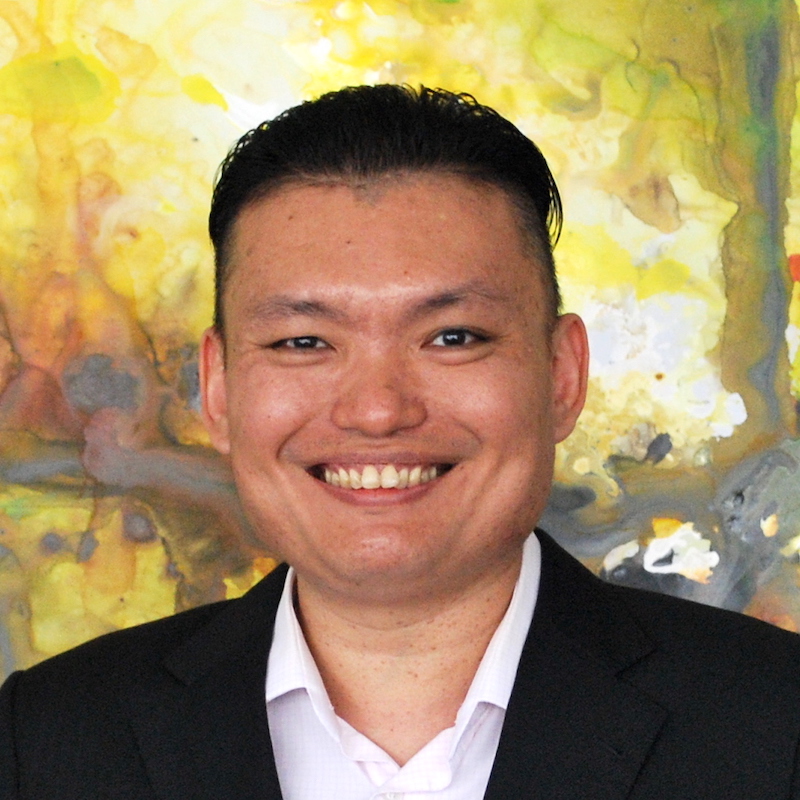 Jonah Lau, Co-Founder and CTO, Sinisana Technologies
“Malaysia is a global leader in the halal economy and our halal certification is highly valued by Muslim consumers everywhere. This provides a strong foundation for the IDE to innovate and thrive from Malaysia to the world,” said Jonah Lau, co-founder and CTO of Sinisana Technologies.
“There is also a high level of digital adoption among consumers and businesses in Malaysia, which facilitates digital innovation. Non-Muslim consumers in Malaysia are also open to innovation within the IDE that is beneficial to them.”
“MDEC has been with us since we started operations at the end of 2019. There have been various MDEC programs that have helped us get a foothold in the market. The new Malaysia Digital initiative has also lowered the barrier to entry compared to the previous MSC status, making it much more convenient for digital economy companies to receive support. MDEC also has a dedicated IDE department that has been extremely supportive of Sinisana’s growth by connecting industries with technology startups,” says Lau.
 Juliana Abu Bakar, Country Manager and CEO, Wahed Malaysia
Meanwhile, Islamic finance could be further strengthened in the development of Malaysia’s halal economy by supporting the adoption of digital payments, integrating halal advice and marketplaces, and bolstering the current supply with innovative solutions such as fintech, blended finance, alternative finance and Islamic social and ethical aspects improves finances.
Wahed Malaysia, a web-based Shariah investment platform managed by Wahed and headquartered in New York, USA, is seeing increasing demand for its products and services in Malaysia. Wahed commends MDEC’s proactive approach to bridging the gap between companies, encouraging collaboration, offering incentives for business support and educating a wide range of investors.
“Despite the Covid-19 pandemic, we have seen a higher mobile penetration rate in Malaysia and the pandemic has helped accelerate the growth of digitally savvy users,” said Juliana Abu Bakar, Country Head and CEO of Wahed Malaysia.
“MDEC has helped us explore market opportunities and address challenges such as infrastructure, regulation and talent in the Islamic ecosystem.”
MDEC is a powerful one-stop agency that supports the growth and expansion of technology companies at all stages, helping them to land and expand in Malaysia and beyond.
To learn how to get started with the process, click here
Read: Abu Dhabi’s ADNOC and Malaysia’s Petronas sign unconventional oil concession deal
Comments are closed.