


The circular economy is an emerging economic system in which waste and pollution are minimized and resources are reused and recycled instead of being discarded as waste.
This approach to business is critical as it addresses some of the most pressing environmental challenges facing the world today. These include climate change, water scarcity and dwindling resources.
There are many different ways to implement a circular economy. Perhaps most important is the development of business opportunities that utilize waste materials and resources. The creation of these companies closes the loop on resource use and brings us closer to a more sustainable future.
Some examples of companies using the circular economy are:
1. Recycling company
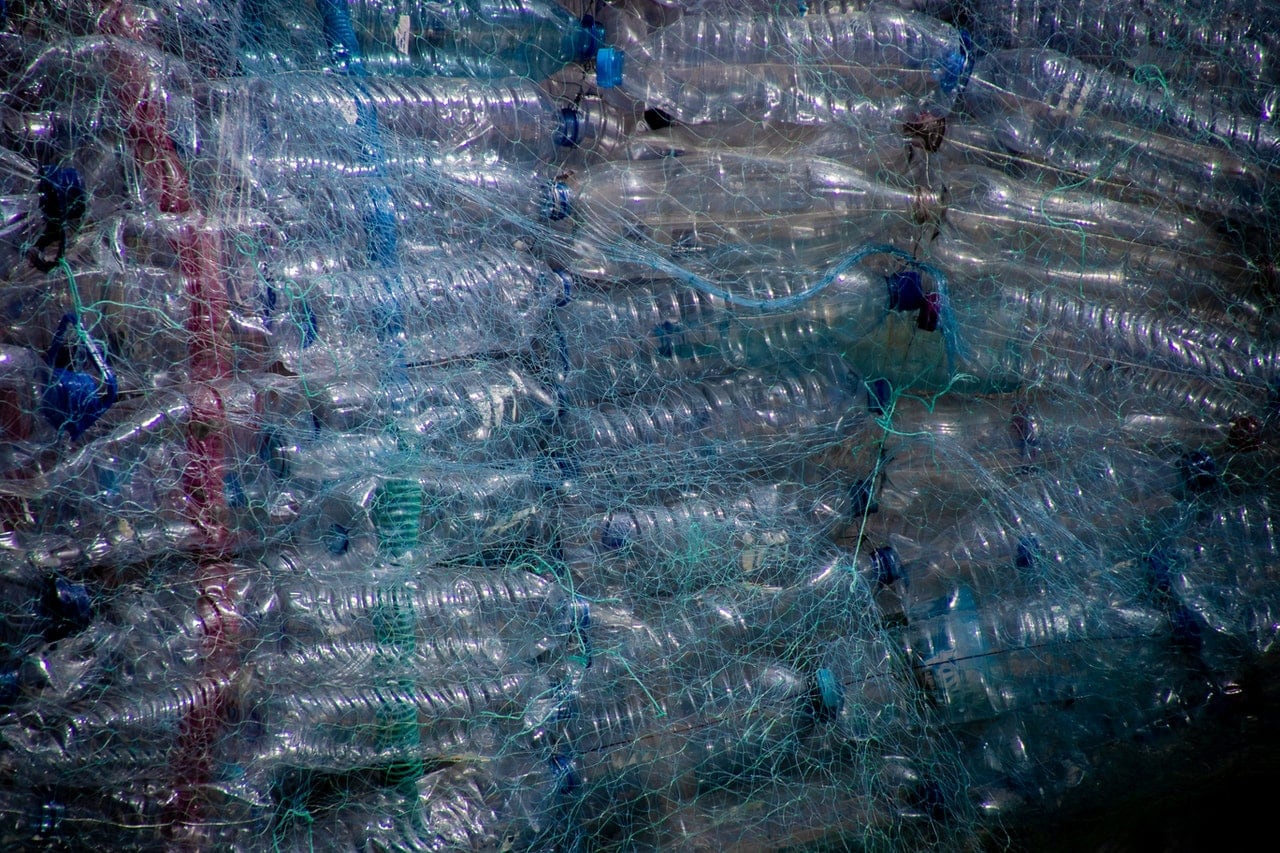
In a traditional linear economy, companies take raw materials from the earth, turn them into products, and sell them to consumers. After use, the products are often thrown away, resulting in colossal waste.
In contrast, the circular economy is based on the use and reuse of resources to minimize waste.
Recycling companies play a crucial role in this model, collecting used materials and either refining them for reuse or upcycling them into new products. As more companies adopt this model, recyclers need to be part of the equation.
Many materials and products can be recycled on a large scale. One of the most common recyclable materials is paper. It can be recycled into new paper products or used as mulch or compost.
Other recyclable materials include glass, plastic, steel and batteries. In fact, batteries are made of metals and chemicals that can be reused if recycled appropriately.
2. Upcycling company
Upcycling is becoming increasingly popular as a way to reduce waste and create new products from existing materials. As part of a circular economy, upcycling is critical to creating a sustainable future.
There are many different upcycling companies. Some of the most common are upcycling furniture, textiles, and jewelry.
Furniture upcycling companies take old furniture and refine it to create new and unique pieces. Textile upcycling companies reuse fabrics from clothing and other items to create new garments or accessories.
Jewelry upcycling companies turn old jewelry into new creations.
However, upcycling extends to art as well. You can turn some scraps into creative artworks and installations.
3. Circular Economy
The concept of a circular economy operation is often used in connection with the circular economy. The term ‘circular economy’ was first coined by British industrial designer Kenneth Grange in the 1970s and popularized by thinkers like Dame Ellen MacArthur in the 2010s.
The basic idea is that companies should work in a way that minimizes waste and maximizes resource use.
A closed-loop business is a type of business that fits this model as it seeks to recycle or reuse all of its waste products. In this way, circular companies help create a more sustainable and efficient economy.
While the concept is still in the early stages of development, many companies are beginning to explore how to adopt closed-loop principles. Over time, there is hope that closed-loop businesses will become commonplace and help usher in a new era of sustainable economic growth.
4. Waste-to-energy companies
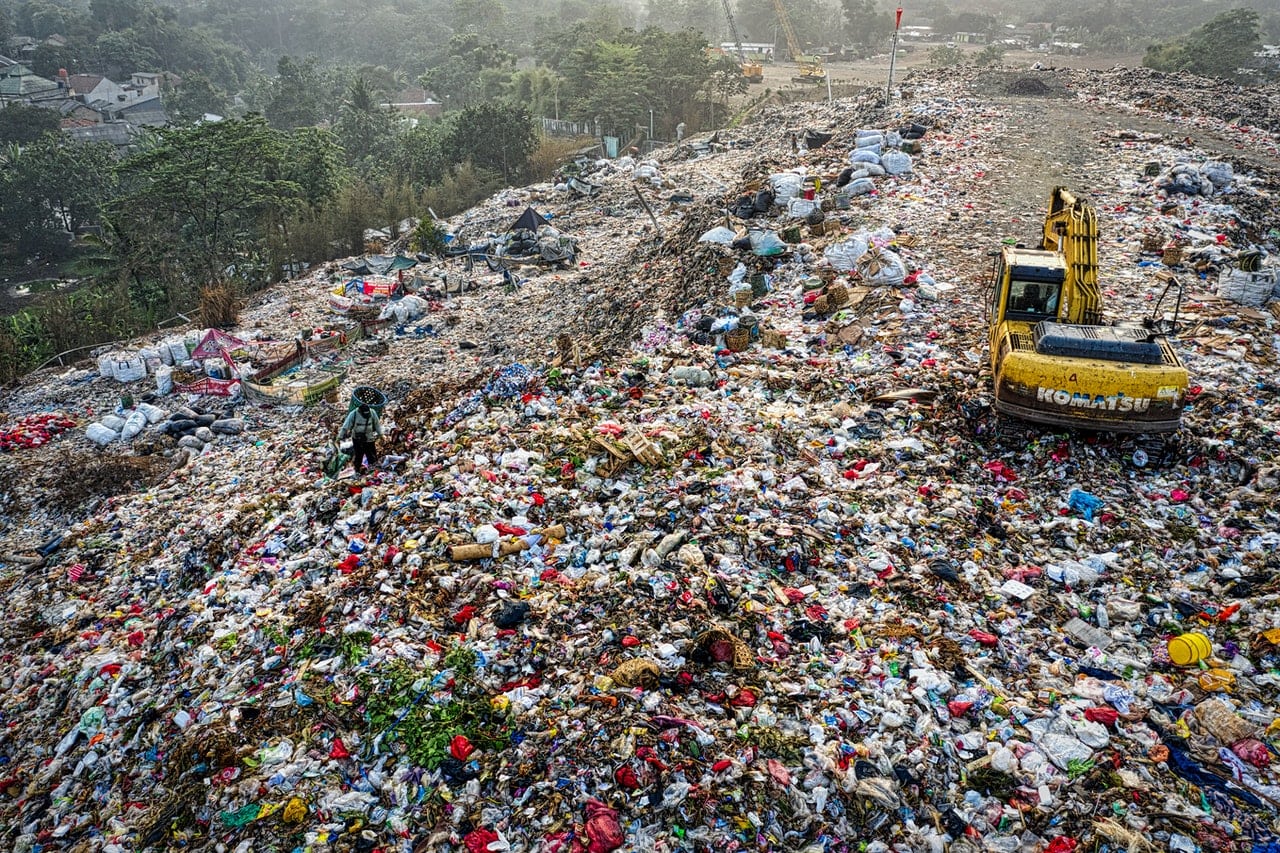
These companies convert waste materials into energy that can be used to power homes and businesses. This helps to reduce pollutants and conserve resources.
As the world becomes increasingly aware of the need to reduce waste and move towards a more circular economy, there is a growing demand for Waste-to-Energy (WTE) technologies.
WTE includes the conversion of waste into usable forms of energy such as electricity or heat. This can be done by various means such as incineration, anaerobic digestion or gasification.
WTE offers numerous advantages. For example, it can help reduce landfill waste, lower greenhouse gas emissions, and provide a renewable energy source.
Additionally, WTE can provide financial opportunities to companies and entrepreneurs looking to invest in this growing industry. With the right technology and the right business model, there is great profit potential in the WTE sector.
5. Sustainable farms
Sustainable farming companies produce food and other agricultural products using methods that minimize environmental impact. This includes using traditional farming techniques and adopting new technologies and practices that help reduce greenhouse gas emissions, conserve water and promote soil health.
Sustainable farms are not only good for the environment, they also tend to be more profitable than their traditional counterparts. They benefit from lower input costs, government incentives and consumer preferences for environmentally friendly products.
As the circular economy gains momentum, sustainable farming businesses will play an increasingly important role.
When companies adopt the circular economy
Achieving a circular economy is essential for businesses to remain sustainable and profitable over the long term. The linear “take-make-dispose” model of the past is no longer viable as resources are finite and negative environmental impacts are becoming more evident.
In contrast, the circular economy is based on reducing waste, maximizing resource efficiency, and adopting closed-loop thinking in product design, which allows materials to be reused or fed back into the production process.
This approach benefits the environment and offers business opportunities.
For example, companies using circular business models have proven to be financially better than their competitors. You can save money on raw materials and earn income from selling recycled products.
Additionally, circular companies often benefit from increased customer retention as consumers become increasingly aware of the environmental impact of their purchasing decisions. Ultimately, companies that are committed to the circular economy are best placed to navigate an uncertain future.
Conclusion
The circular economy offers a variety of opportunities for companies to become more sustainable and reduce their environmental impact. With the right approach, organizations can take advantage of this new way of thinking and working.
Save money by converting your home to solar energy. Calculate your savings.
Comments are closed.